How to prevent ants in your kitchen
UC IPM says the Argentine ant is the most common household ant in California. Most ants live outdoors, so the lasting work is sealing entry, removing food and water, and baiting the colony rather than spraying indoor trails.

What you'll learn
- Why Argentine ants form linked supercolonies with multiple queens, according to UC IPM
- The kitchen food, grease, and water sources UC IPM says to remove
- Why UC IPM treats baits as the main insecticide and indoor sprays as usually unnecessary
- When cleaning and exclusion are not enough and a licensed inspection is the next step
Step by step
- [object Object]
- [object Object]
- [object Object]
- [object Object]
- [object Object]
- [object Object]
[object Object]
Rather have a pro handle it?
Pest control across San Diego County. Call and tell us the pest, and we match you with a licensed local pro.
Keep learning.
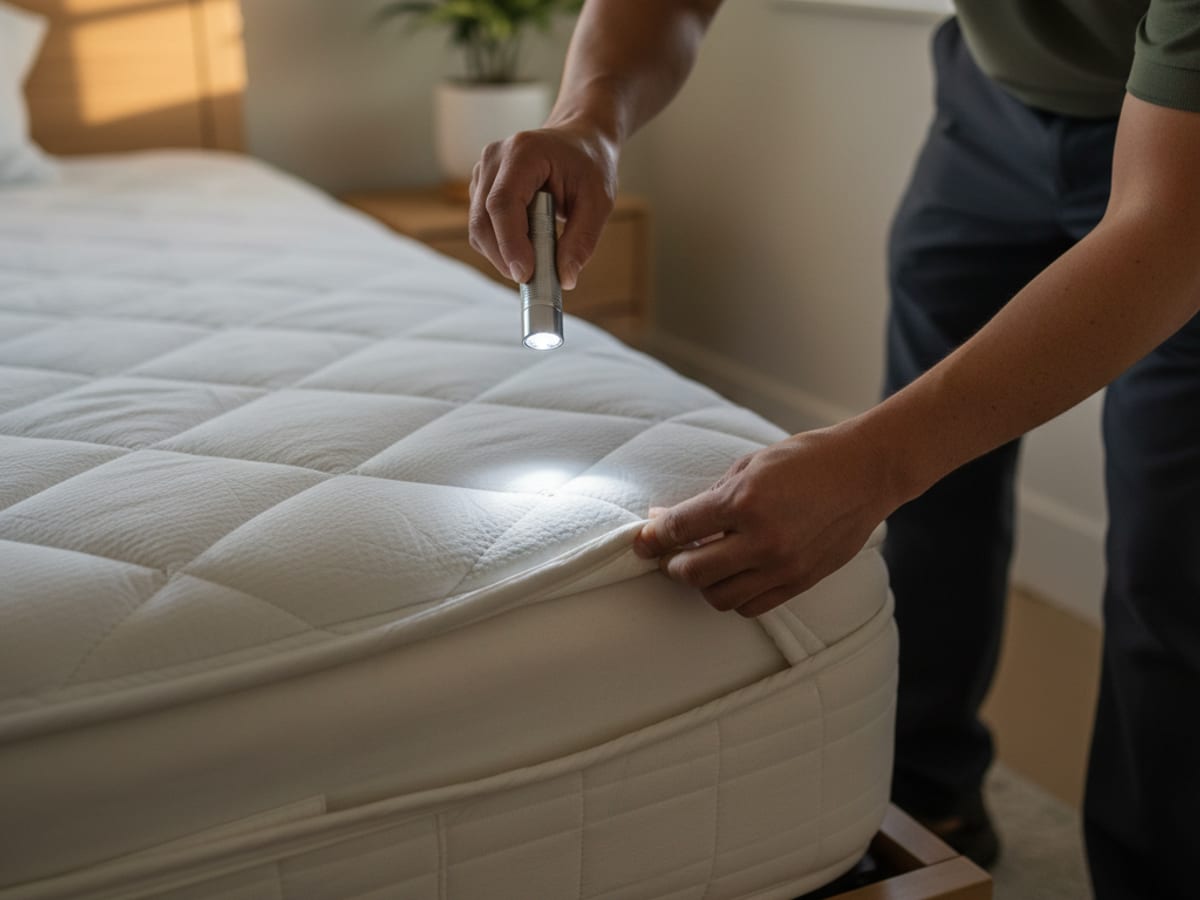
How to identify bed bugs early
UC IPM says you confirm bed bugs by finding the insects or their signs, not by bites alone. The first places to check are mattress seams, box springs, bed frames, and nearby cracks, and to compare what you find with a reliable identification guide.
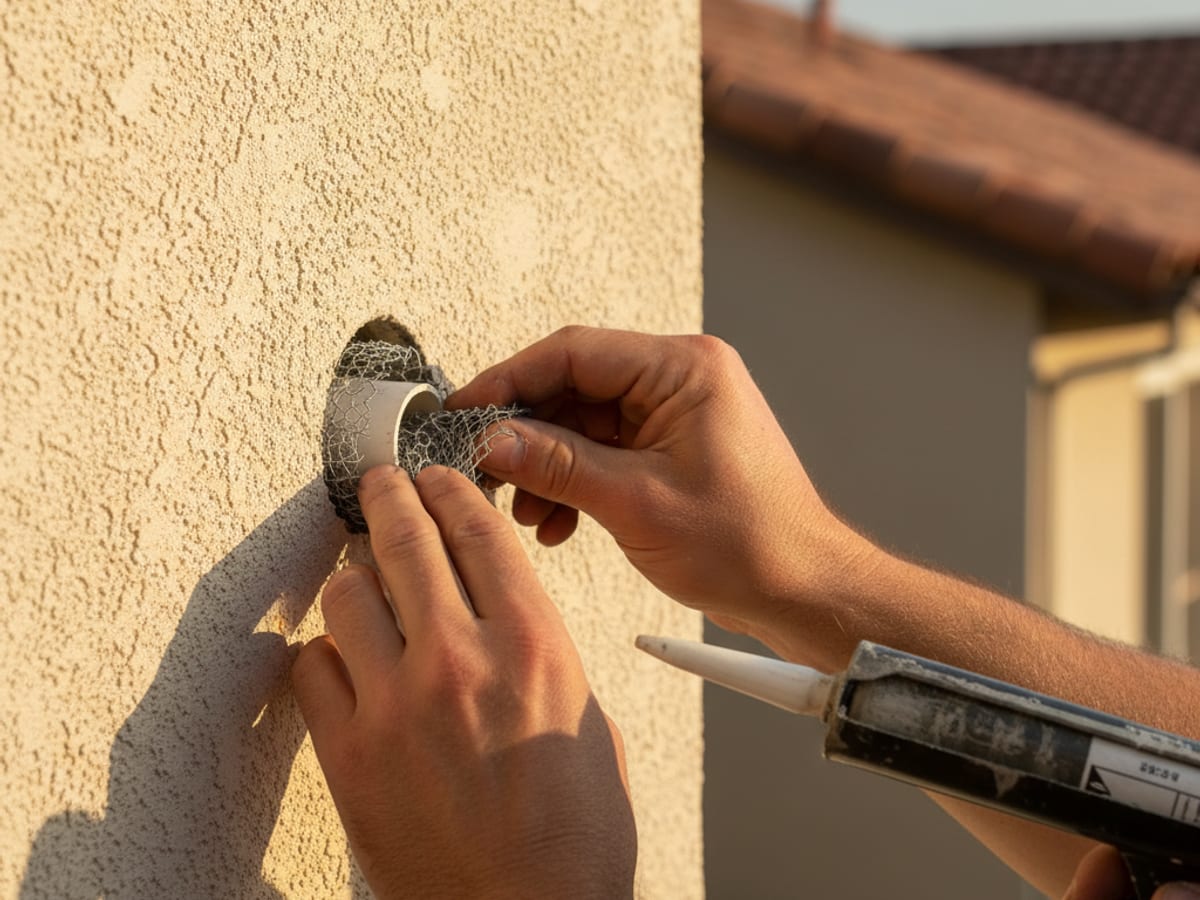
How to seal common rodent entry points
San Diego County Vector Control says trapping is only part of the work: seal gaps, remove food, and keep vegetation off the roof line. CDC and UC IPM both treat exclusion as the lasting control. Check what you can see from the ground first.
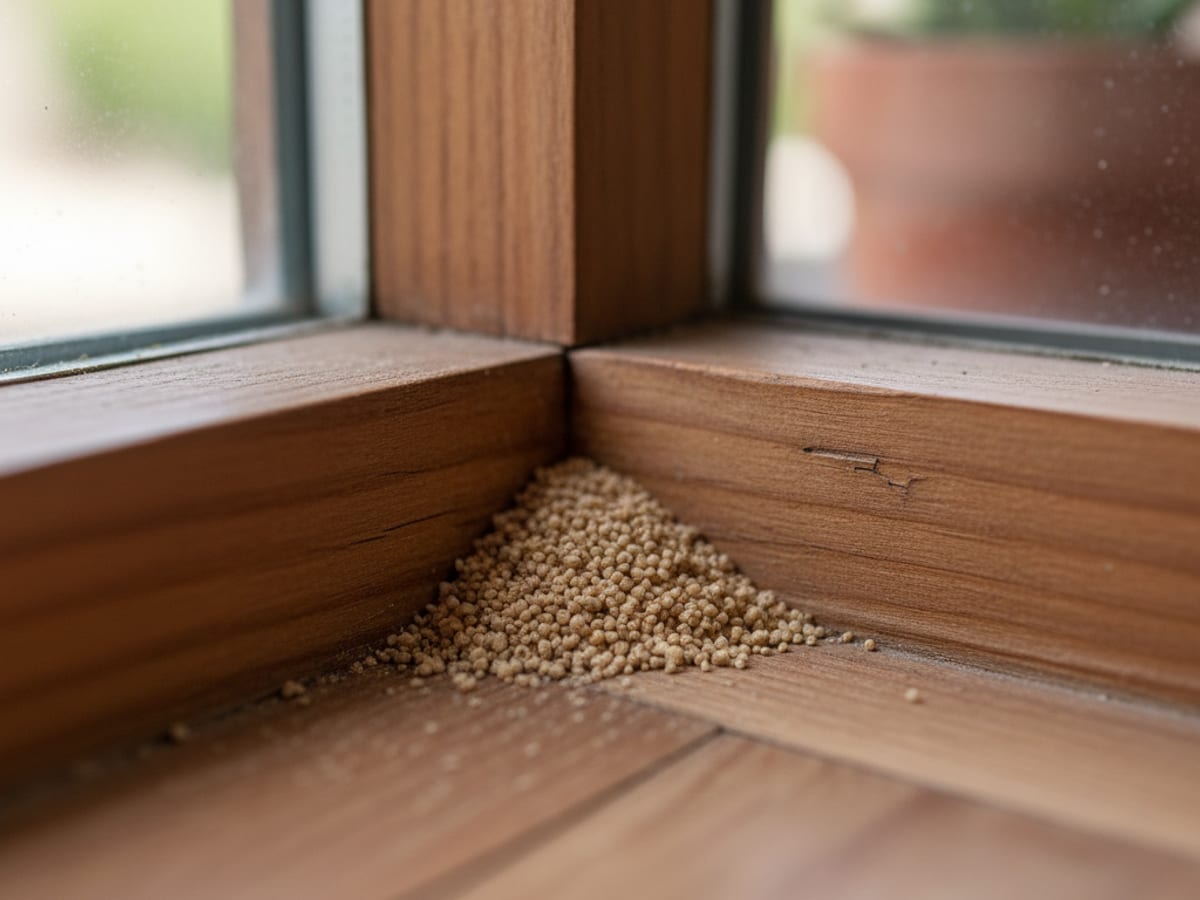
How to spot termite warning signs
UC IPM says California has drywood and subterranean termites, and the signs differ. Catching activity early still needs a professional inspection. Local treatment versus whole-structure fumigation depends on species and how widespread the infestation is, not on a first-year versus third-year rule.