Bed bug treatment in San Diego
Bed bugs travel. UC IPM says people can bring bed bugs into their home on infested clothing, bedding, furniture, and luggage, and occasionally pick them up in theaters or on buses and trains. They are hard to find because they hide in cracks and crevices as small as the width of a credit card, and UC IPM says common hiding places are typically located within 6 or fewer feet from areas where humans sleep or rest. Its position on the job is plain: confirmed bed bug infestations should be managed by trained professionals. We match you with a licensed local company.
Last updated: 2026-04-23
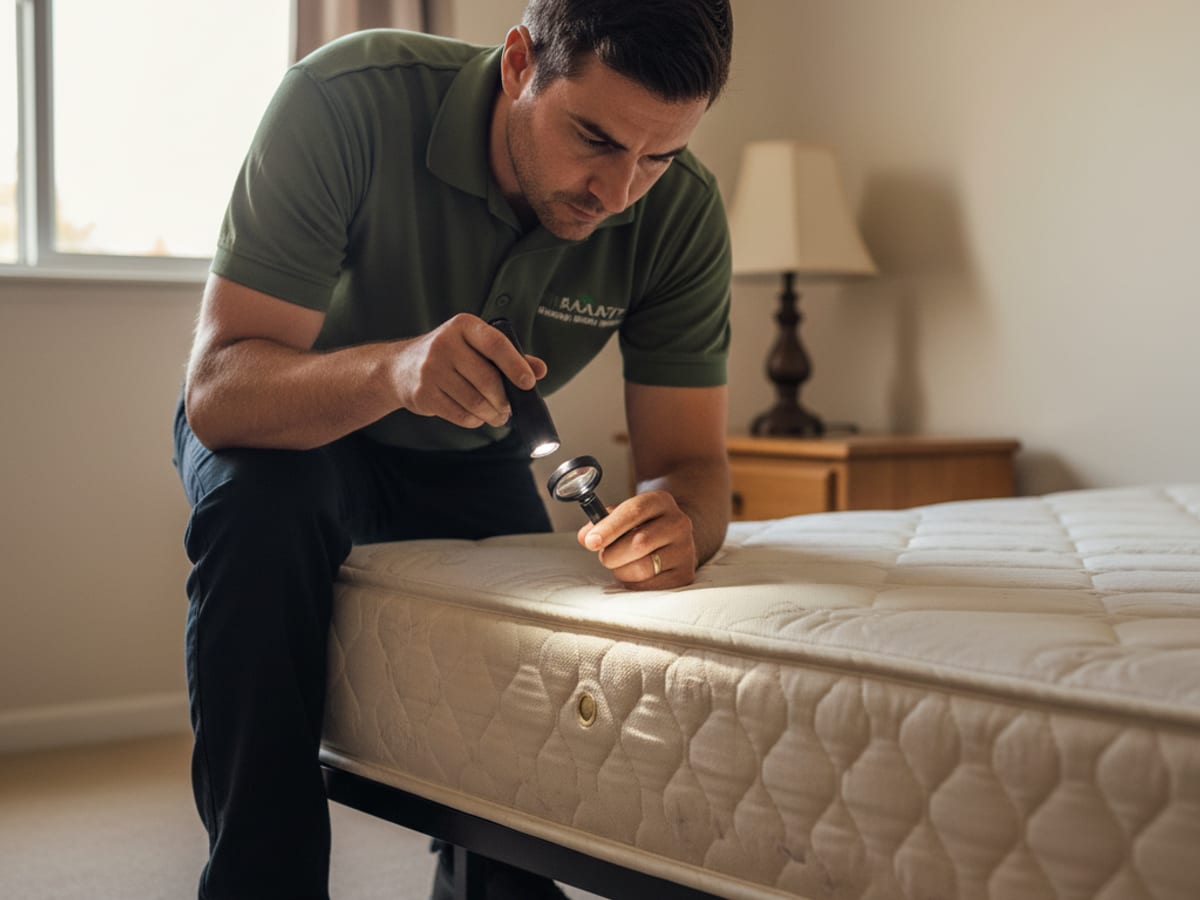
What's included in bed bug treatment in San Diego County?
- A confirmation inspection focused on the mattress, box spring, bed frame, and headboard first
- Heat treatment, which UC IPM puts at a minimum of 140°F for two hours or 130°F for three hours
- Targeted chemical treatment of cracks, crevices, baseboards, and bed frames with residual products
- Mattress and box-spring encasement recommendation and installation
- Steam treatment for furniture, drapes, and items that cannot be heated
- Follow-up monitoring, which UC IPM says is needed to ensure the infestation has been eliminated
- Ask the matched company about discreet, unmarked vehicles
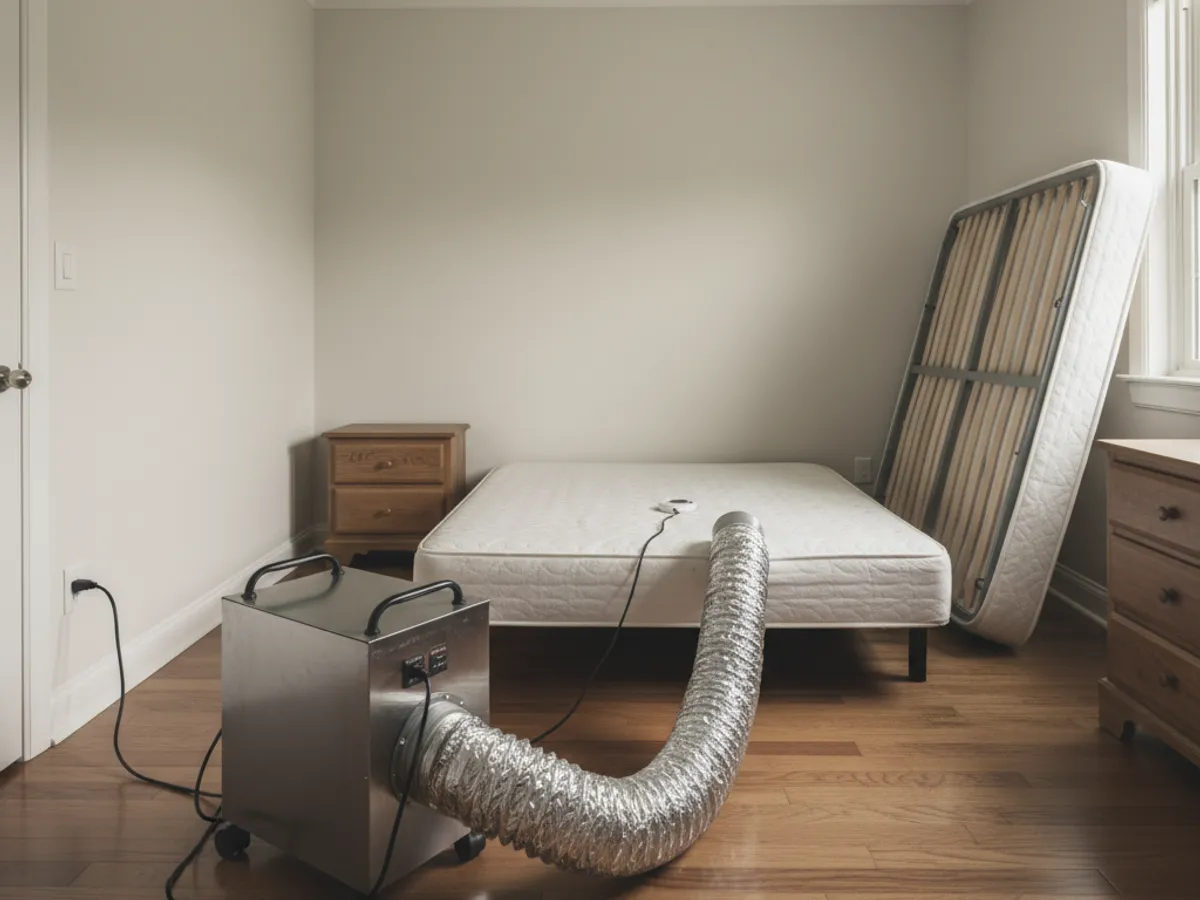
When do you need bed bug treatment in San Diego County?
- You wake up with rows of small itchy bites on exposed skin (arms, neck, ankles)
- You see small dark spots (digested blood) on sheets, mattress seams, or behind the headboard
- You find live or dead bugs (apple-seed sized, reddish-brown) in mattress folds or wall cracks
- You recently traveled, bought used furniture, or had guests stay in the bedroom
- Multiple family members are getting unexplained bites only at night
What do homeowners ask about bed bug treatment in San Diego County?
Is a bed bug exterminator the same as bed bug treatment?
Yes. A bed bug exterminator, an exterminator for bed bugs, a pest control service for bed bugs, bed bug extermination services, and bed bug treatment all describe the same work: inspect to find how far the population has spread, then treat by heat or chemical protocol depending on access and the unit. What separates a good job from a failed one is the inspection scope, not the label, because treating only the room where bites were reported is why infestations come back.
Can I get a bed bug inspection before committing to treatment?
Yes. A bed bug inspector checks mattress seams, box-spring folds, baseboards, and furniture joints for live bugs, shed skins, and fecal spotting before any treatment is scheduled. It's a lower-commitment first step when you're not sure what you're dealing with, since a look-alike such as a carpet beetle, a flea, or a bat bug is possible. Inspection findings determine whether you need spot treatment, single-room heat treatment, or a whole-home program.
Is heat treatment or chemical treatment better for bed bugs?
UC IPM does not crown a winner. Its advice is to combine chemical and nonchemical tactics with increased sanitation and habitat modification practices. On heat it gives numbers: commercial heating services call for a temperature of at least 140°F for two hours or 130°F for three hours, with a minimum lethal temperature of 113°F, and in California providers of heat services must be licensed and bonded by the Structural Pest Control Board. On chemicals it warns that insecticide applications alone won't control bed bug infestations and that insecticide resistance among bed bug populations is increasingly common. Ask the company which it proposes for your unit and why.
Do I need to throw out my mattress?
Usually not. UC IPM says mattress encasements designed to prevent bed bugs have been shown to be effective through laboratory research, and can be used to contain bed bugs within mattresses when they can't be discarded, with the bugs trapped inside eventually dying due to starvation. That makes an encasement a real alternative to replacement rather than a consolation prize. If a mattress is going out anyway, say so before treatment so it isn't treated for nothing.
Why are bed bugs so hard to get rid of with DIY?
The products that work are mostly not the ones on a store shelf. UC IPM says the most effective bed bug pesticides are available to commercial pesticide applicators only, that over-the-counter products aren't generally recommended because their performance under actual field conditions isn't known, and that using over-the-counter total-release aerosol foggers has been shown to be ineffective for bed bug control and potentially harmful to residents. It also says insecticide applications alone won't control bed bug infestations, which is the half most DIY attempts skip.
Can I stay in the home during treatment?
Ask the company, because it depends on the method and on the product label. Heat runs at a temperature nobody can sit in: UC IPM's figure for commercial heating is at least 140°F for two hours or 130°F for three hours, so treated rooms are empty for that and the cool-down. For a chemical treatment, the label sets re-entry. UC IPM also notes that pesticides aren't generally applied to mattresses or bedding because of potential risk to people, so ask what is going where before anyone starts.
Where can you get bed bug treatment in San Diego County?
Bed Bug Treatment is available in every city and community in San Diego County. Pick your city for local climate notes and service specifics.
See bed bug treatment in all 67 cities
Need bed bug treatment in San Diego County?
Call and we match you with a licensed local pro who quotes the job after inspecting.