Yes, scorpions live in San Diego County, mostly the native California common scorpion and related Vaejovis species. For the species common in coastal and suburban San Diego, a sting hurts like a bee sting but is not medically dangerous to a healthy adult. The genuinely dangerous Arizona bark scorpion is a desert species that is not established along the coast. Kids, the elderly, and anyone with an allergy should treat any sting more cautiously. Most people who find a scorpion in San Diego are surprised it’s here at all, then worried it might be deadly. The honest answer is reassuring for almost everyone.

Rocky decomposed-granite landscaping at a San Diego home, typical scorpion harborage

Knowing which species you’re looking at, how its sting really compares, and where these things hide are the practical things that matter. This guide covers all of it.

Which scorpions actually live in San Diego

Most content about scorpions is written for Arizona, where the dangerous bark scorpion is common. San Diego is a different story. The scorpions you’ll find in coastal and suburban yards here are native, painful but not life-threatening species.

SpeciesSize and colorWhere in SDSting severity
California common scorpion (Paruroctonus silvestrii and relatives)About 2 to 3 inches, tan to yellowish-brown with darker markingsCoastal canyons, suburban yards, rocky slopes countywideRoughly bee-sting level; painful, not dangerous to a healthy adult
Vaejovis species (a “stripe-tailed” type)Smaller, often 1 to 2 inches, brown to dark tan with thicker pincersUnder rocks, leaf litter, and landscaping throughout the countyMild to moderate; local pain and swelling, not medically serious
Arizona bark scorpion (Centruroides sculpturatus)Small and slender, 2 to 3 inches, light tan, thin tail and thin pincersDesert and far-inland edges only; NOT established on the coastGenuinely dangerous; the only US scorpion with potentially serious venom

The takeaway: the scorpions in the average San Diego yard are the first two. The bark scorpion, the one people are afraid of, belongs to the desert. It can occasionally turn up at the far inland or desert edges of the county, but it does not have established coastal populations. If you live in Chula Vista, Escondido, El Cajon, or anywhere along the coast, you’re almost certainly dealing with a native, low-risk species.

How to gauge whether a scorpion is dangerous

There’s a rough field rule that holds up surprisingly well. Look at the claws versus the tail. Scorpions with big, thick pincers and a thin tail tend to rely on crushing their prey, and their venom is usually weaker. Scorpions with thin, delicate pincers and a fat tail tend to rely on venom, and those are the ones to respect.

The dangerous Arizona bark scorpion fits the second pattern: skinny pincers, slender body, thin tail. San Diego’s common native scorpions tend toward thicker pincers and a stockier build. The rule isn’t perfect, but it’s a useful first read when you’re standing over one in the garage.

Here’s the honest reassurance for San Diego species. For the California common scorpion and the local Vaejovis types, a sting feels like a bee or wasp sting. You get sharp pain, some redness, and maybe swelling that fades over a few hours. Healthy adults recover without treatment. The cautious exceptions are young children, older adults, and anyone with a known allergy to insect stings, who should watch any sting more closely and not assume it’s minor.

Scorpion identification and sting-risk reference for San Diego County

Where scorpions hide in San Diego

Scorpions are nocturnal hunters that spend the day tucked into cool, dark, tight spaces. Knowing their hiding spots is half the prevention.

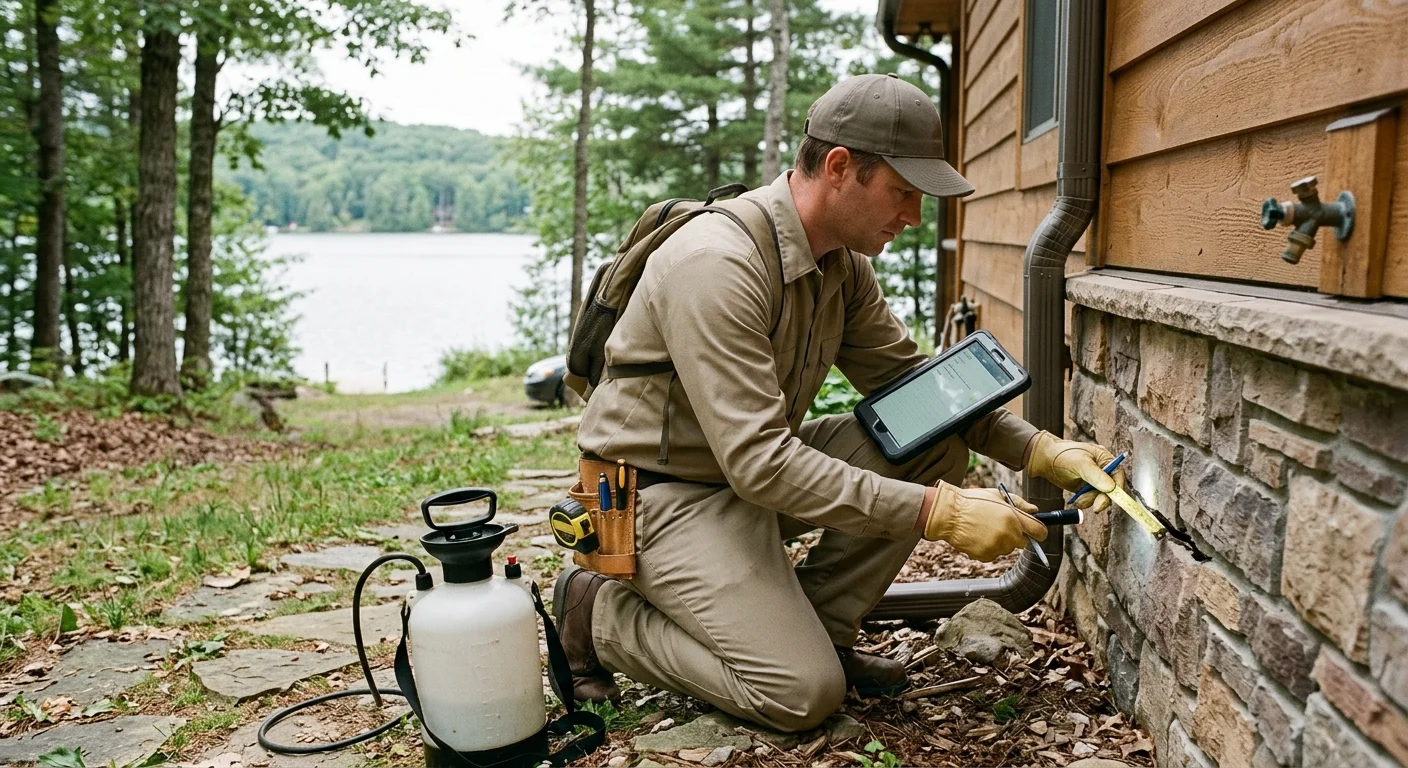
Outside, they favor anything that gives them a dark crevice. Look under rocks and pavers, in decomposed-granite landscaping, inside woodpiles, along the base of block walls, and in the gaps in retaining walls. These are classic San Diego yard features, which is exactly why scorpions do fine here.

Inside, they slip into garages, crawl spaces, shoes left in the garage, and the dark corners of seldom-used rooms. They’re drawn indoors chasing the insects they eat, plus moisture during dry stretches.

One genuinely useful trick: scorpions glow a bright blue-green under UV blacklight. If you suspect them, walk your yard and garage at night with a cheap UV flashlight. They light up like little glow sticks, which makes finding harborage spots much easier than searching in daylight.

How they get inside and how to keep them out

Scorpions don’t want to be in your house. They wander in through gaps chasing food and water, then can’t find their way back out. Cutting off the entry points and the food supply does most of the work.

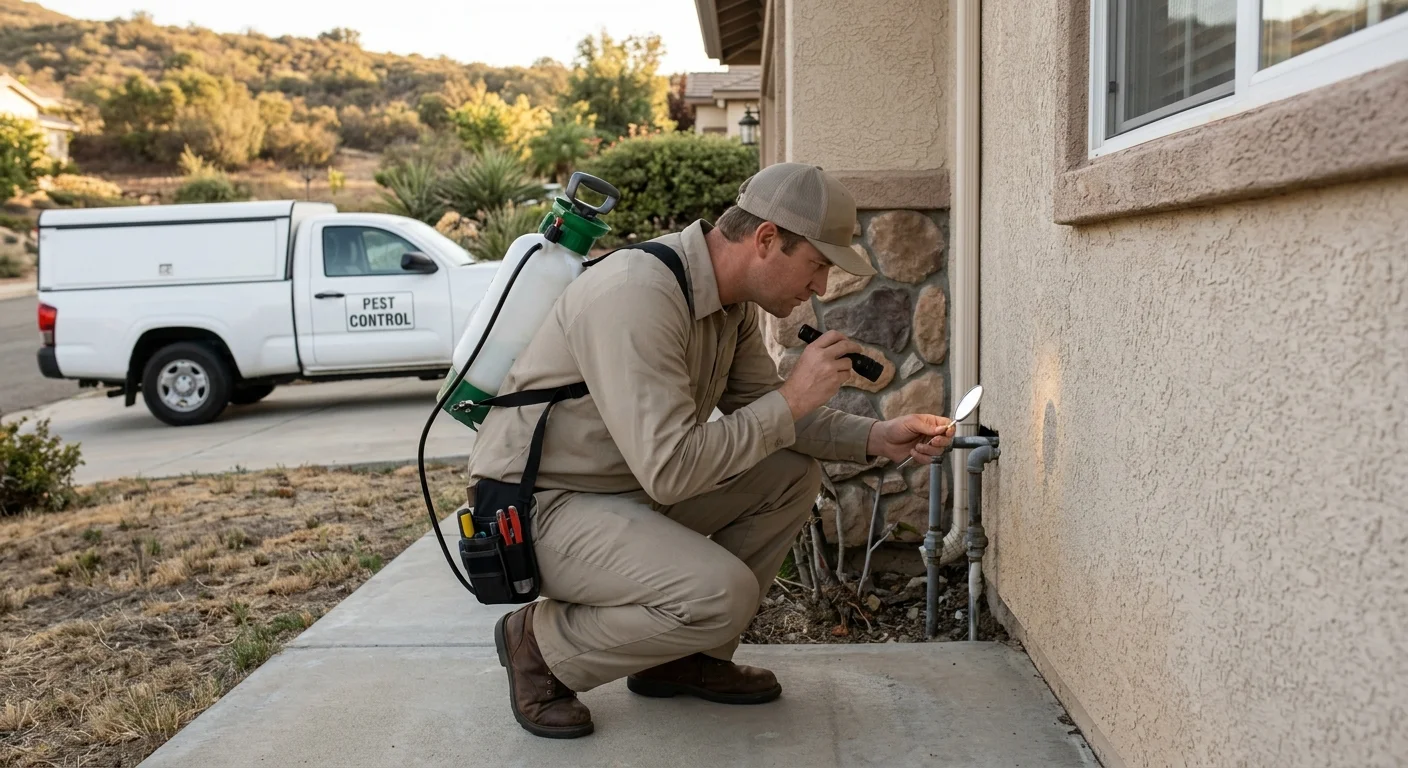
Seal the gaps. Check around door sweeps, garage doors, weep holes, pipe penetrations, and where utility lines enter the wall. A scorpion can flatten through a surprisingly thin gap, so weatherstripping doors and sealing the obvious cracks matters.

Manage what they eat. Scorpions follow insects. If your home has crickets, roaches, or other bugs, you’re running a scorpion buffet. Reducing the general insect population indoors removes the reason they come in. A steady general pest control routine that keeps the bug population down is one of the most effective long-term scorpion deterrents, because you’re removing their food.

Declutter the perimeter. Move woodpiles away from the house, clear rock piles and debris near the foundation, and trim back dense ground cover touching the walls. Keep landscaping rock and mulch a little back from the foundation where you can.

Outdoor lighting helps and hurts. Bright white lights near doors attract the insects that scorpions hunt. Switching exterior fixtures to warmer, yellow-toned bulbs pulls fewer bugs toward your entryways.

If scorpions also have you worried about spiders, the prevention overlaps heavily. Our guide to common spiders in San Diego covers black widows and the same seal-and-declutter steps that keep both pests out.

What to do if a scorpion stings you

For a sting from a common San Diego species, the response is simple. Wash the area with soap and water. Apply a cold pack or ice wrapped in cloth to cut the pain and swelling. Take an over-the-counter pain reliever if you need one. Then monitor how you feel over the next few hours.

Most stings from local species settle down on their own, much like a bee sting. The reason to seek care is if the reaction is more than local pain. Get medical help right away if you notice trouble breathing, widespread numbness or muscle twitching, difficulty swallowing, or signs of a severe allergic reaction. Those symptoms warrant a call to a doctor, urgent care, or poison control, and you can reach California Poison Control at 1-800-222-1222 for guidance.

Be more cautious with children and older adults. A sting that’s a minor annoyance for a healthy adult can hit a small child harder, so don’t assume it’s fine and watch them closely.

When to call a pro about scorpions

A single scorpion now and then is normal in San Diego, and a flashlight plus the prevention steps above usually handle it. Repeated finds inside the house, especially in living spaces rather than just the garage, point to an established harborage problem and likely a bug population feeding them.

A pro can find where scorpions are concentrating, treat the harborage zones and entry points, and knock down the insect population that’s drawing them in. The most durable results come from pairing that treatment with the sealing and decluttering work, so they have fewer ways in and less reason to come.

For full San Diego County coverage, see our pest control services in San Diego page or call us at (858) 925-5546 to connect with an experienced local pro.

Frequently asked questions

Are there scorpions in San Diego?

Yes. San Diego County has native scorpions, mainly the California common scorpion and related Vaejovis species. They live in coastal canyons, rocky slopes, and suburban yards across the county. Most people are surprised to learn scorpions are here, but they’re common, especially in homes near canyons or with rocky landscaping.

Are San Diego scorpions dangerous?

For healthy adults, no. The native species common in coastal and suburban San Diego deliver a sting roughly on par with a bee sting: painful and local, not life-threatening. The genuinely dangerous Arizona bark scorpion is a desert species not established on the coast. Children, older adults, and anyone with a sting allergy should treat any sting more cautiously.

What kind of scorpions live in California?

California has several native scorpion species, with the California common scorpion (Paruroctonus) and various Vaejovis species being the ones most San Diego residents encounter. These are low-risk, painful-but-not-dangerous species. The Arizona bark scorpion, the one US species with serious venom, is found mainly in desert regions, not coastal San Diego.

How do I keep scorpions out of my house?

Seal gaps around doors, garage doors, weep holes, and pipe entries, and weatherstrip exterior doors. Reduce the insects they hunt with regular pest control, since cutting off their food removes the reason they come in. Declutter the perimeter by moving woodpiles and rock piles away from the foundation, and switch bright exterior lights to warmer yellow bulbs that attract fewer bugs.

Do scorpions glow under UV light?

Yes. Scorpions fluoresce a bright blue-green under UV blacklight, which makes them easy to spot at night. A cheap UV flashlight lets you walk your yard and garage after dark and find both the scorpions and the cracks and harborage spots they’re using. It’s the single most useful tool for confirming whether you have them.

What should I do if a scorpion stings me?

Wash the area with soap and water, apply ice or a cold pack to reduce pain and swelling, and take an over-the-counter pain reliever if needed. For a common San Diego species, the sting usually settles on its own like a bee sting. Seek medical care right away if you have trouble breathing, widespread numbness, muscle twitching, or signs of a severe allergic reaction, and you can call California Poison Control at 1-800-222-1222.