
Plenty of bites get blamed on spiders that a spider never caused. UC IPM puts it plainly: “Unlike mosquitoes, spiders do not seek people in order to bite them.” This page is not a diagnosis. It walks through what the published sources say about how each pest behaves, and it points you to a doctor for anything about the bite itself.
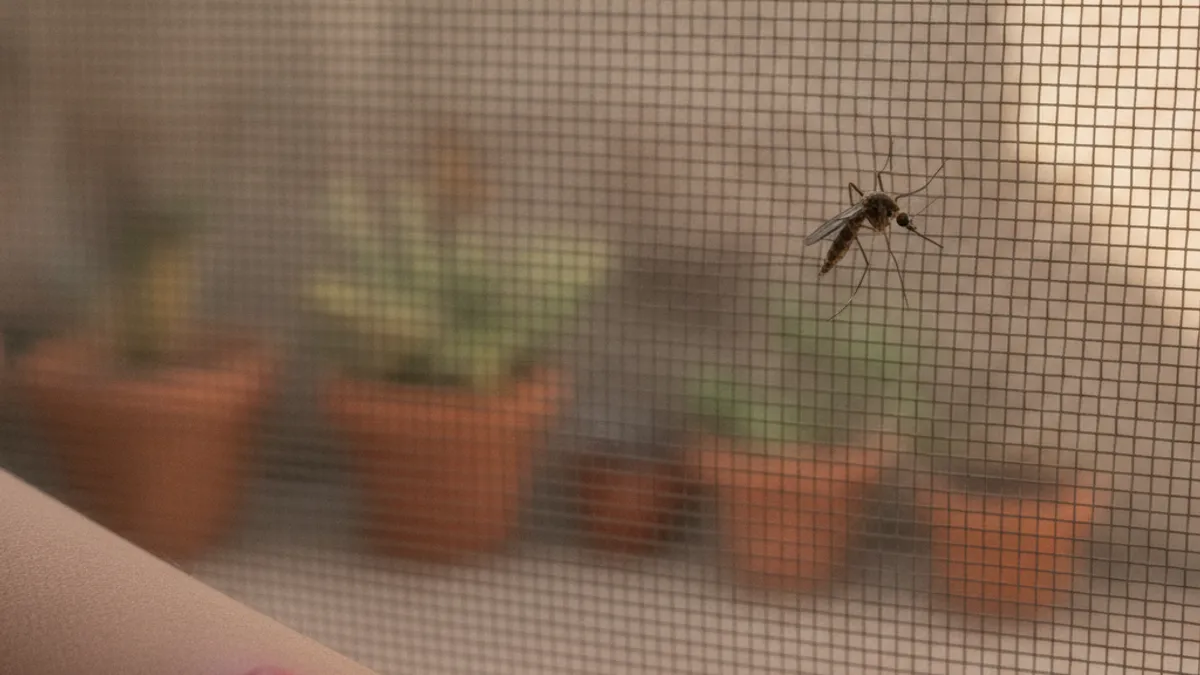
Why “spider bite” may be the wrong guess
Spiders aren’t looking for you. UC IPM’s Pest Notes on spiders states that “Generally, a spider doesn’t try to bite a person unless it has been squeezed, lain on, or similarly provoked to defend itself.” The same publication says “The spiders commonly seen out in the open during the day are unlikely to bite people.”
Mosquitoes behave the opposite way, since they’re seeking a blood meal. The County of San Diego describes the invasive Aedes mosquitoes now found here as mosquitoes that “Bite during the day, especially around the legs and ankles” and that “Can bite aggressively and multiple times.” The county also says they are “most active in San Diego during summer and fall.”
Plenty of other things get mistaken for a spider too. UC IPM lists arthropods “whose bites or stings may be mistaken for that of a spider include ticks, fleas, bees, wasps, bedbugs, mosquitoes, the conenose (kissing) bug (Triatoma protracta), deer flies, horse flies, and water bugs.”
What the sources say about each
We are not going to tell you what your mark is. Here is what the published descriptions cover, and the rest is a question for a doctor.
On spider bites generally, UC IPM says: “Some spiders might bite when trapped in clothing or bedding, but the effect is usually no more severe than itching or the reaction to a bee sting.”
On black widows, UC IPM’s Pest Notes on widow spiders says “Bites from black widow spiders are quite rare, even where these spiders are very common. In the unlikely event of an actual bite from a black widow, the bite itself is painless or may feel like a little pinprick.” That is the opposite of what most people assume. The publication continues: “At the site of the bite, there may be a little red mark or red streaking away from the bite. Within an hour, other symptoms may start to appear.” Those listed symptoms include “Rigid stomach muscles, which some medical professionals have misdiagnosed as appendicitis” and “Pain that can be local, radiating, or regional.” UC IPM also notes that “Black widow bites don’t cause conspicuous swelling, necrosis, or deterioration of tissue around the bite.”
On brown widows, which UC IPM says “became established in southern California,” it says that “unlike that of the black widow, the bite of this spider is not much more toxic to humans than that of other common spiders.”
| Trait | What the sources say |
|---|---|
| Spider intent | ”Unlike mosquitoes, spiders do not seek people in order to bite them.” |
| Spider circumstance | Bites happen when a spider “has been squeezed, lain on, or similarly provoked to defend itself.” |
| Black widow onset | ”the bite itself is painless or may feel like a little pinprick” |
| Black widow timing | ”Within an hour, other symptoms may start to appear.” |
| Aedes mosquito timing | ”Bite during the day, especially around the legs and ankles” |
| Aedes mosquito number | ”Can bite aggressively and multiple times” |
The detail that actually helps a doctor
Context is the part you can supply that nobody else can. Write down where you were, what you were touching, and whether you saw the spider or insect. Reaching into a garage corner, pulling on a stored shoe, or moving boxes is a different account than sitting outside in the evening. If you did see a spider, a photo is more useful than a description, and UC IPM warns that a crushed specimen may be difficult to identify.
Questions worth asking yourself before you call: was there one mark or several, did you feel anything at the moment it happened, and how long after the exposure did the mark appear.
When to get medical advice
This is the part to hand to a professional rather than a pest control page. UC IPM’s guidance on spider bites is direct: “if the bite of any spider causes an unusual or severe reaction, such as increasing pain or extreme swelling, contact a physician, hospital, or poison control center (in California, the number is 1-800-876-4766 or 1-800-8-POISON).” On widow bites specifically, the Pest Notes says “If bitten, seek medical attention immediately.”
UC IPM also points out a common complication that has nothing to do with which pest caused the mark: “Scratching can break the skin and introduce bacterial infection, which you or even a physician may mistake for an arachnid bite.”
Our guide to black widow control in San Diego covers where they hide and how a licensed company clears them.
Reducing both risks around your property
The property work is where we can actually help. For spiders, UC IPM’s Pest Notes on widow spiders says to “Eliminate places for spiders to hide and build their webs by keeping areas near building foundations free of trash, leaf litter, and accumulations of other materials,” and that in the garage you should “keep items such as gardening clothes and gloves in bags closed with zipper-locks or twist ties.” It adds: “When cleaning up clutter in garages and other storage areas, be sure to wear gloves to avoid accidental bites.”
For mosquitoes, the county’s instruction is to “Dump out standing water sources both inside and outside at least once a week.” It also notes that a quarter inch of water in a container is enough for invasive Aedes to breed.
For a broader look at what else might be sharing your yard, see our guide to common spiders in San Diego. If mosquitoes are the bigger issue at your place, our mosquito control guide covers source reduction and when a professional yard treatment makes sense.
Frequently asked questions
How can I tell if it was a spider bite without seeing the spider?
Honestly, you often can’t, and neither can a page like this one. UC IPM notes that black widow bites are “quite rare, even where these spiders are very common,” and that many arthropods produce marks mistaken for spider bites. Record where you were and what you were handling, then take that account to a doctor rather than trying to read the mark itself.
Do brown recluse spiders cause the bites people blame on them in San Diego?
UC IPM is unambiguous on this: “Contrary to popular belief, there are no populations of the brown recluse spider in California.” It adds that “Many skin lesions are misdiagnosed as brown recluse bites with potentially debilitating and potentially fatal consequences,” which is a reason to get a real diagnosis rather than settle for the popular one.
Why do I have multiple bites but no memory of being bitten?
Multiple marks point away from spiders. UC IPM states that “Spiders typically bite only once as a desperate defensive effort before they are crushed between flesh and some object.” The county describes invasive Aedes mosquitoes as able to “bite aggressively and multiple times.”
Can a bite get infected?
UC IPM warns that “Scratching can break the skin and introduce bacterial infection, which you or even a physician may mistake for an arachnid bite.” Anything that looks like it’s getting worse rather than better is a question for a doctor, whatever caused it.
If widow spiders or a mosquito problem are showing up around your property and you want it handled before bites become a regular thing, call (858) 400-6561 to get matched with a licensed local pro.