Finding bed bugs in your San Diego apartment can be incredibly stressful, immediately raising questions about who’s responsible and what you should do next. As a renter, understanding your rights and the proper steps to take is crucial for resolving the issue quickly and effectively. This guide will walk you through California’s tenant laws regarding bed bugs, how to prevent an infestation, and what to do if you find them in your home.

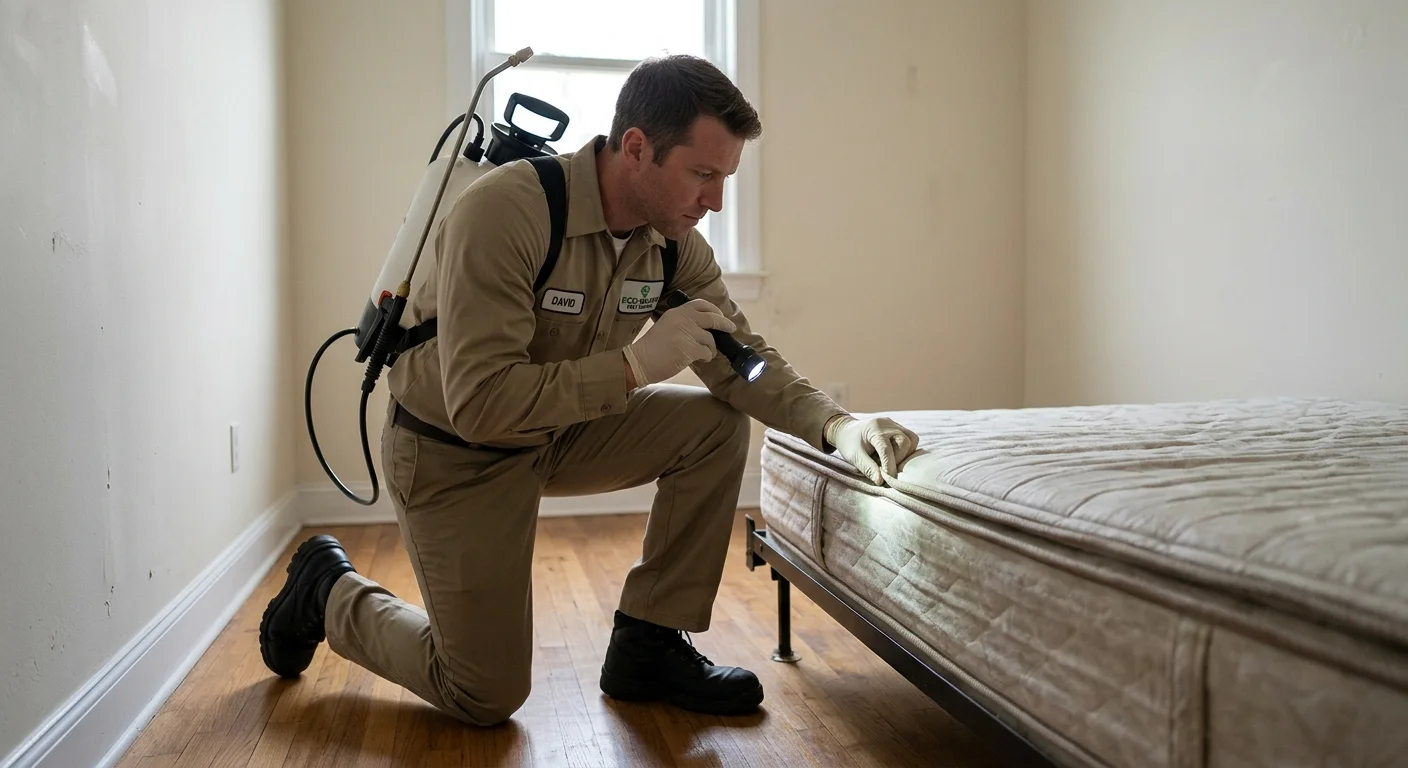
A person inspecting the seams of a mattress in an empty apartment with a flashlight.

Who is responsible for treatment: landlords or tenants?

Finding bed bugs in your San Diego apartment can immediately spark a stressful debate: who’s responsible for the treatment cost? California law generally guides this, though specific circumstances can make the situation complex. Under California Civil Code 1941.1, landlords have a fundamental responsibility to maintain habitable living conditions. This explicitly includes ensuring the property is free from pests like bed bugs at the commencement of a new tenancy.

If you discover bed bugs before moving into a new unit, or very soon after, the landlord is almost always responsible for the treatment. This legal framework highlights why a meticulous inspection before signing any lease is not just a good idea, but a critical protective measure for you as a renter. If an infestation occurs after you’ve moved in, the situation can become more ambiguous. A landlord might attempt to argue that you, the tenant, introduced the bed bugs through negligence, perhaps by bringing in infested luggage or secondhand furniture. However, proving the exact source of a bed bug infestation is often incredibly difficult, as these pests are experts at hitchhiking. Many experienced landlords in San Diego County understand that bed bugs can easily spread between units and quickly impact an entire building’s value and habitability. Therefore, many choose to treat bed bugs as a property-wide maintenance issue, prioritizing swift action to protect their investment and other tenants.

California Civil Code 1942.5 further supports the importance of communication by outlining specific tenant notification requirements. Once a landlord becomes aware of an infestation, they are legally obligated to inform prospective tenants and current tenants in affected units. This reinforces the seriousness of bed bugs as a housing concern. While Pest Pros San Diego cannot offer legal advice, our experience suggests that landlords who act promptly and transparently to address a bed bug issue typically build better tenant relations and prevent more significant problems. The reality is that professional bed bug treatment is almost always required for complete eradication, and the associated bed bug treatment cost in San Diego can be substantial. This financial reality underscores why establishing clear communication and responsibility early in the process is paramount for both parties.

How to inspect a new apartment for bed bugs before you sign the lease

Proactive inspection is your strongest defense against inheriting a bed bug problem in a new rental. Before you sign a lease or move any personal belongings into a new apartment, dedicate time to a thorough, unhurried inspection. This crucial step can spare you immense stress, financial burden, and the discomfort of a bed bug infestation down the line. You’ll need a reliable flashlight, and a small magnifying glass can be very helpful for spotting tiny signs.

Begin your inspection in the bedroom, as this is where bed bugs are most commonly found due to their preference for feeding on sleeping humans. Carefully pull back all bedding, including sheets, blankets, and mattress pads. Your primary focus should be on the mattress itself. Examine all seams, tufts, folds, and piping of the mattress and box spring. Look for tiny, reddish-brown or black spots, which are bed bug fecal matter, often resembling dried blood spots from a fine-tip marker. You might also discover shed skins, or exoskeletons, which are light brown and translucent, appearing like tiny, hollow bed bug shells. In severe cases, you might even spot live bed bugs themselves - small, flat, oval-shaped insects about the size of an apple seed. Expand your search to the bed frame, headboard, and any furniture directly adjacent to the bed, such as nightstands, dressers, or upholstered chairs. Bed bugs are masters of concealment, preferring dark, narrow cracks and crevices.

Don’t stop at the bed. Systematically check along baseboards throughout the bedroom and other living areas, paying extra attention to areas near electrical outlets and switch plates. These are often overlooked hiding spots. If the apartment includes any upholstered furniture, even if it seems new, inspect its cushions, seams, and undersides. Move any movable items away from walls to check behind them. Even seemingly minor details, like loose wallpaper or cracks in plaster, can provide harborage. If the unit is unfurnished, look for these signs on walls, floors, and behind curtains. Never bring your own furniture or boxes into an apartment until you’re confident it’s free of these pests. Document anything suspicious with clear, dated photos and immediately bring it to the landlord’s attention. A responsible landlord should address any potential issues and provide proof of professional treatment before you commit to the rental.

What to do immediately if you find bed bugs in your unit

Discovering bed bugs in your San Diego apartment can be incredibly alarming, triggering feelings of disgust and panic. However, maintaining calm and taking immediate, systematic action is crucial. Your swift and correct response can significantly influence the success and speed of the eradication process. Avoid rash decisions that could worsen the problem.

First and foremost, document everything meticulously. Use your smartphone or a camera to take clear, dated photos or videos of all evidence you find: live bed bugs, their distinctive reddish-brown fecal spots on mattresses or walls, shed skins, and any suspicious bites on your skin. Note the exact date, time, and specific locations where you found these signs. This comprehensive documentation is vital for effectively communicating with your landlord, establishing a clear timeline of discovery, and demonstrating the extent of the problem.

Next, notify your landlord in writing immediately. This step cannot be overstressed. An email, a certified letter, or a written notice delivered in person (with a copy for your records) are the most effective methods, as they create an undeniable paper trail. Clearly describe the problem, attach your photographic evidence, and formally request prompt professional pest control treatment. Under California law, landlords are generally obligated to maintain habitable premises, and a significant bed bug infestation can definitely constitute a breach of this requirement. Keep all copies of your correspondence.

It’s crucial to resist the urge to attempt extensive DIY bed bug treatments using over-the-counter pesticides. Many readily available sprays are largely ineffective against bed bugs and can often do more harm than good. These products can scatter the pests, driving them deeper into walls, spreading them to adjacent units, or simply making them more resilient, which significantly complicates and increases the cost of professional eradication. While waiting for your landlord to arrange professional help, you can take some immediate containment steps. Wash all bedding, clothing, and curtains in hot water (at least 120°F) and dry them on the highest heat setting for a minimum of 30 minutes. Once clean and completely dry, immediately seal these items in clean, airtight plastic bags or storage bins and keep them away from the infested areas. Vacuum frequently and thoroughly, paying close attention to mattress seams, carpets, and crevices. Immediately after vacuuming, seal and dispose of the vacuum bag in an outdoor trash receptacle. Avoid moving infested furniture to other rooms or out of your unit without proper preparation, as this is a common way to spread the infestation. Your ultimate and most effective solution will come from professional bed bug treatment by experienced San Diego pest control specialists.

An infographic outlining the four key steps San Diego renters should take after discovering bed bugs in their apartment.

How to prepare your apartment for a professional heat treatment

Once your landlord has scheduled professional bed bug treatment, which in San Diego often means a highly effective heat treatment, your diligent preparation of the apartment is absolutely essential. Proper preparation isn’t just a suggestion; it directly impacts the success of the treatment, helping to ensure complete eradication and preventing a quick return of these tenacious pests. Your pest control company, like Pest Pros San Diego, will provide a detailed checklist tailored to their specific methods, but here’s a comprehensive overview of what you’ll typically need to do.

The first critical step is to thoroughly declutter your entire apartment. Bed bugs are masters of hiding in the tiniest spaces. Remove all loose items from floors, closets, drawers, and shelves. This includes books, magazines, toys, shoes, and any decorative items. Every item that can be removed should be to give the heat (or other treatment) full access. Next, focus on all fabrics. Launder all washable textiles that can withstand high temperatures. This includes all bedding, clothing, curtains, towels, and even fabric-covered items like throw pillows or stuffed animals. Wash them in hot water (at least 120°F) and dry them on the highest heat setting for a minimum of 30 minutes. The high heat is what kills bed bugs and their eggs. Immediately after they’re clean and dry, place these items into clean, sealed plastic bags or airtight containers. This protects them from re-infestation after the treatment and prevents any missed bugs from being reintroduced.

Empty all dressers, nightstands, and closets completely. Furniture should be pulled away from walls by several inches, typically 12-18 inches, to allow technicians full access to baseboards and wall voids. Disassemble bed frames if possible, and remove mattresses and box springs for easier, more thorough inspection and treatment. Vacuum all carpets, rugs, and upholstered furniture meticulously, paying extra attention to seams, edges, and crevices where bugs hide. After vacuuming, immediately seal and dispose of the vacuum bag in an outdoor trash receptacle to prevent any collected bugs or eggs from escaping back into your home. It’s also important to clear out sensitive items: remove food items, pet bowls, plants, and any electronics or artwork that might be sensitive to high temperatures. All pets must be removed from the apartment on the day of treatment, and typically for several hours afterward. By following these preparation steps precisely, you create the optimal conditions for the professional treatment to penetrate all potential hiding spots, ensuring that bed bugs are eliminated at every life stage, from egg to adult.

When to call us

Dealing with bed bugs in a rental property is stressful, but you don’t have to face it alone. Pest Pros San Diego specializes in effective, discreet bed bug eradication for homes and apartments across San Diego County. Our experienced technicians understand the unique challenges of apartment treatments and use advanced heat treatment methods to ensure complete elimination. Call us at (858) 925-5546 for a same-day estimate.