
Earwigs are the dark, pincer-tipped bugs you find under flowerpots, in mulch, and occasionally in a damp bathroom. Despite the old myth, they don’t crawl into your ears. UC IPM says the forceps are used for defense, earwigs generally don’t attack humans, and they are capable of biting if trapped in clothing or sat upon. Large numbers indoors can be annoying but present no health hazard. In San Diego they thrive where irrigated landscaping, mulch, and shade hold the damp, dark cover they need.
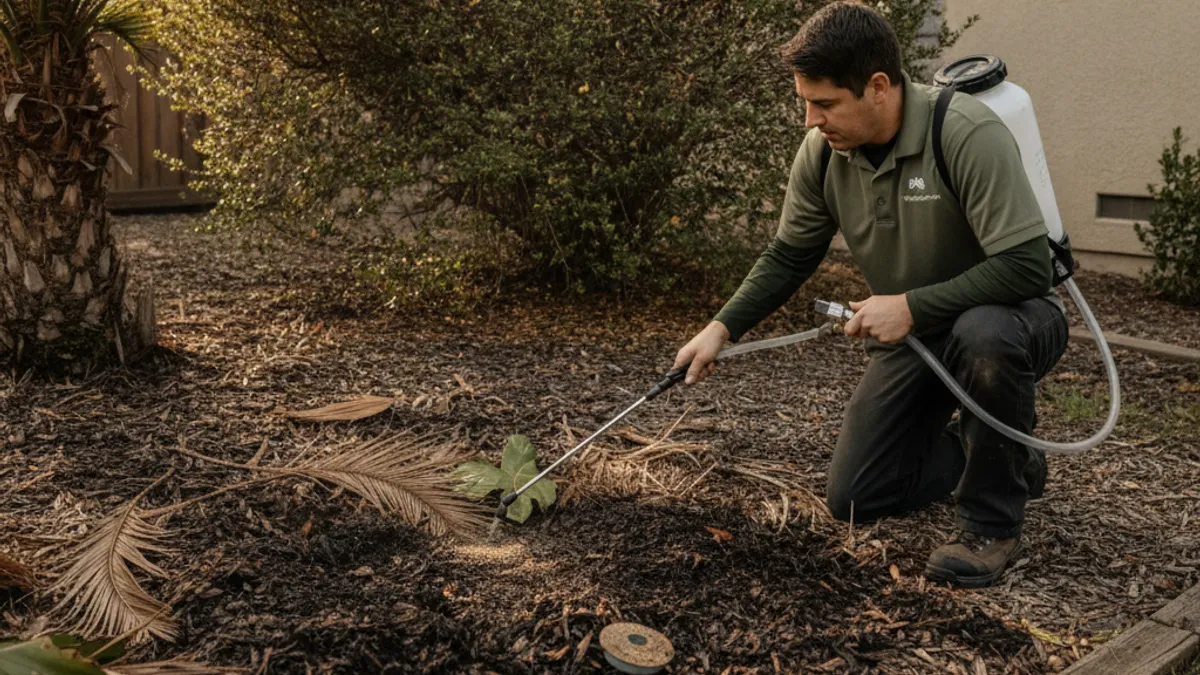
If you’re seeing earwigs around the house, you’re not dealing with a dangerous pest. You’re dealing with a moisture problem and some easy hiding spots. Here’s how to identify them and shut down what’s drawing them in.
what earwigs look like
Earwigs are easy to recognize once you know the pincers. No other common San Diego household bug carries that forceps-like tail. Here’s the sourced breakdown.
| Feature | Detail | Source |
|---|---|---|
| Size | Adult body about 3/4 inch long | UC IPM |
| Color | Reddish brown | UC IPM |
| Pincers (cerci) | Forceps at the tail; somewhat curved in the male, straighter in the female | UC IPM |
| Wings | Most species have wings under short, hard wing covers; UC IPM says they seldom fly | UC IPM |
| Behavior | Feed at night and hide during the day in dark, cool, moist places | UC IPM |
The flat body lets them squeeze under pots, boards, and door gaps. When you lift a planter and a few dark bugs scatter for cover, you may be looking at earwigs. Confirm with the pincers rather than guessing from a fast-moving brown insect.
UC IPM says the most common species in California gardens is the European earwig, Forficula auricularia. The striped earwig, Labidura riparia, occurs in Southern California, is attracted to lights, has a disagreeable odor when crushed, and doesn’t damage plants. San Diego County horticultural advisor James A. Bethke, writing for the San Diego Horticultural Society, says the most common earwig in our area is the European earwig, and the most common native is the ring-legged earwig, Euborellia annulipes, which is wingless and darker. Treat those names as a screening aid. A photo or specimen is still the identification.
why earwigs show up in San Diego homes
UC IPM describes earwigs as moisture-loving insects. They feed at night and hide during the day in dark, cool, moist places.
UC IPM notes that earwigs would not normally thrive in California’s arid climate without the moisture and shade provided by irrigated gardens. Drip lines, sprinklers, and overwatered beds keep soil and mulch damp. Thick mulch, leaf litter, and dense ground cover hold that moisture and create hiding places.
UC IPM says earwigs may seek refuge indoors when conditions outside are too dry, hot, or cold. In milder California climates, some remain active all year. That matches coastal marine-layer neighborhoods better than a hard inland cutoff, but this page does not assign a numeric humidity threshold.
UC IPM also says to replace white outdoor lights with yellow ones, which are less attractive to earwigs. Exterior lights can pull insects toward the building at night, where they find thresholds and gaps.
where you find earwigs in the house
Indoors, earwigs head for moisture. The same logic that drives silverfish and crickets indoors applies here, which is why you often find these pests in the same damp rooms. Damp is the shared root cause. Those same damp rooms can also draw house centipedes.
Bathrooms are a common find around tubs, behind toilets, and under sinks. Kitchens are similar, especially under the sink.
Outside the wet rooms, check entry points: door thresholds, window tracks, and baseboards near the foundation. Potted plants are a classic hiding spot. Lift any potted plant sitting in a saucer of water.
In the yard, they’re under mulch, in leaf litter, beneath stones and boards, and tucked into dense ground cover against the house. UC IPM lists flowers, vegetables, mulch, and weeds as daytime hiding places.
do earwigs bite or cause damage
UC IPM: while the pincers look ferocious, earwigs aren’t harmful to people. They can seriously damage seedlings and chew holes in flowers, soft fruit, and corn silks. They also play a beneficial role by feeding on aphids and other insects. Bethke adds that they are not poisonous and do not carry diseases.
If you trap one against your skin, UC IPM says they are capable of biting. That is a defensive pinch or bite, not a blood-feeding pest. They don’t damage the home’s structure the way termites or carpenter ants do.
The garden damage is the real plant issue. UC IPM lists seedlings, leafy greens, dahlias, zinnias, marigolds, and soft fruit among the plants that can be chewed. A modest number in the garden can also eat aphids. Heavy numbers chew plants and start showing up indoors.
how to get rid of earwigs
Earwig control is moisture control plus trapping. UC IPM says if hiding places and surface moisture are reduced and trapping is followed, insecticide treatments shouldn’t be necessary.
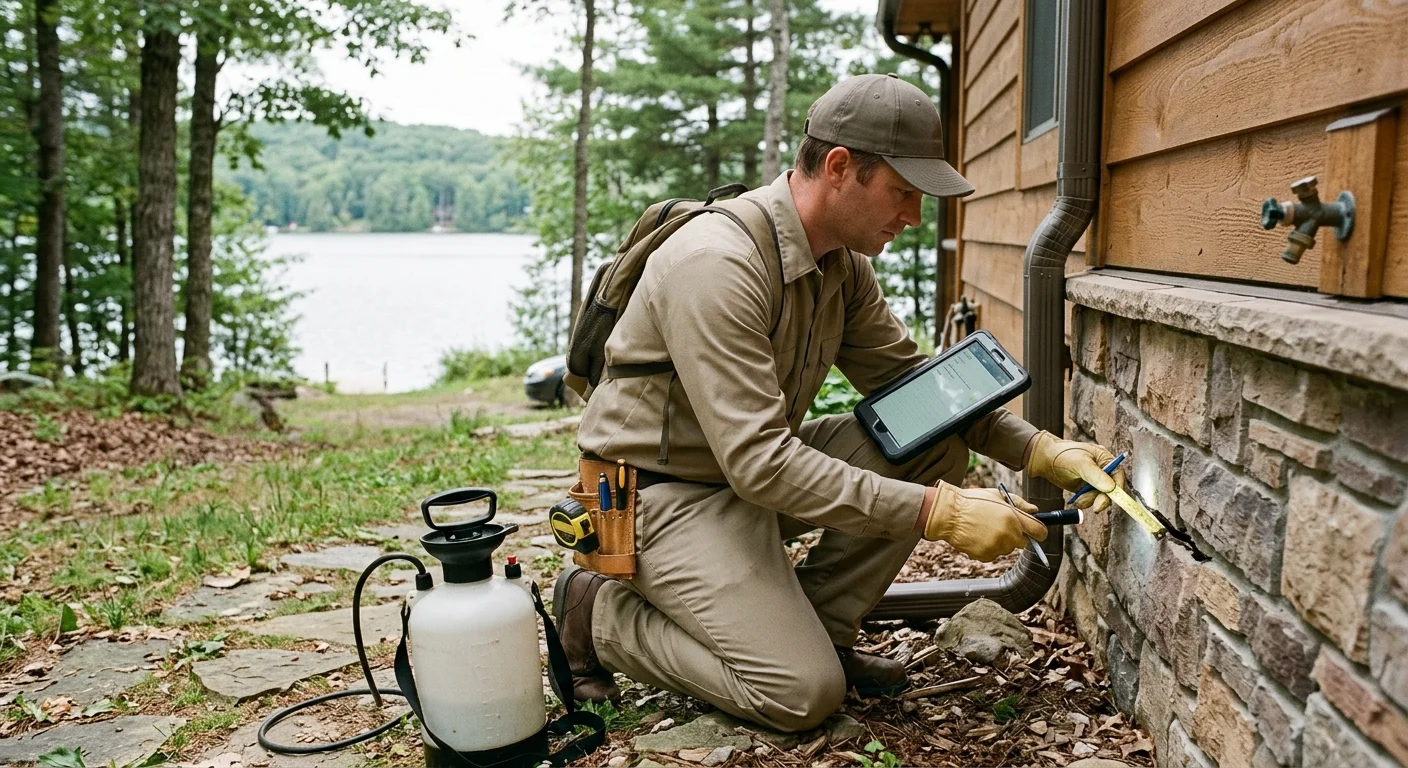
Start with water. Dial back overwatering, run irrigation so beds can dry, and fix leaks under sinks and outdoor spigots. Make sure downspouts carry water away from the foundation.
Next, remove the harborage. UC IPM: move flowerpots and other garden objects that can harbor earwigs; watch mulches; keep heavy ground cover away from vegetable beds; clear leaf litter and rubbish piles.
Then seal the perimeter. Caulk gaps around doors and windows, add or replace worn door sweeps, and close cracks at the foundation. Swap bright white exterior bulbs for yellow ones, per UC IPM.
Trap without a pesticide first. UC IPM: trap with rolled newspaper, bamboo tubes, or short pieces of hose. Place traps on the soil near plants just before dark and shake accumulated earwigs into soapy water in the morning. Daily trapping reduces numbers.
Bethke, as a local non-pesticide option, used empty paper towel rolls: pinch one end shut, wet the roll, place it in a well-shaded garden area, then the next day pinch the other end, bag it, and discard it. That is his garden method, not a pesticide label.
Indoors, UC IPM says sweep or vacuum them up and seal entry points. Earwigs eventually die indoors because there is little for them to eat. Indoor pesticides aren’t recommended to prevent entry.
A matched company offering general pest control may inspect the perimeter and moisture sources. Product choice stays on the label and the written scope.
DIY fits a handful of earwigs and a yard you can dry out. When you’re finding them indoors week after week, compare licensed companies. Call (858) 400-6561, or see pest control services in San Diego.
frequently asked questions
Do earwigs bite in San Diego?
UC IPM says they generally don’t attack humans, but they can bite if trapped in clothing or sat upon. They are a nuisance pest, not a disease threat.
Why do I have earwigs in my bathroom?
Bathrooms hold humidity and standing moisture. Fix leaks, run the fan, and seal gaps under the door.
Are earwigs dangerous?
UC IPM: large numbers can be annoying but present no health hazards. Bethke: they are not poisonous and do not carry diseases. The ear-crawling myth isn’t true. Plant chewing is the main harm when numbers are high.
How do I get rid of earwigs in my house?
Cut moisture, seal entry, vacuum what you see. Outdoors, reduce harborage and use the newspaper or damp paper-roll traps above.
What attracts earwigs?
Moisture and dark cover. Overwatered beds, thick mulch, leaf litter, and clutter against the house. White exterior lights are more attractive than yellow ones, per UC IPM.
Do earwigs come inside in San Diego?
Yes. UC IPM says they may come indoors when it is too dry, hot, or cold outside. Coastal homes with irrigated yards often hold the moisture they need year-round.