
A pale speck in a bedroom photo doesn’t confirm bed bug eggs. The image may show suspicious material, but it can’t establish the source or whether bed bugs are active in the room.
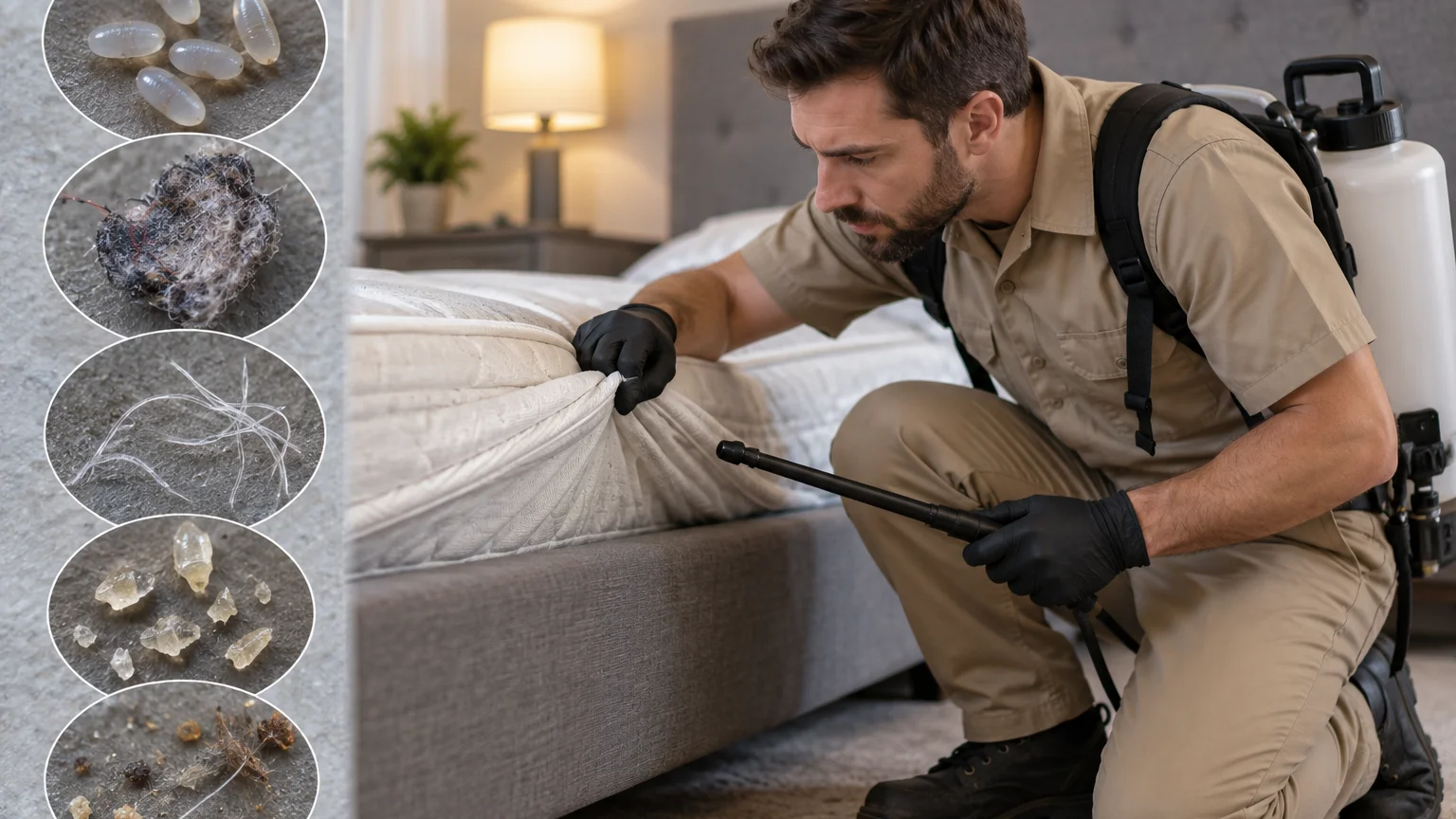
That limit matters whether the room is in Chula Vista, City Heights, El Cajon, or coastal North County. A useful identification depends on the object, its exact location, nearby evidence, and an inspection by a qualified person.
What suspected bed bug eggs may look like
Online guides often assign exact colors, dimensions, shapes, and development stages to bed bug eggs. Those descriptions aren’t in this site’s approved claims ledger. We therefore can’t confirm those details or use them to identify a speck in your photograph.
The honest answer is narrower. A person may notice a tiny, pale object near bedding, furniture, or a room edge and suspect an egg. That suspicion is a reason to look closer, not a diagnosis. Color can shift under warm bulbs, phone flash, shadows, editing, or automatic image processing. A close crop also removes scale. Something large photographed from across a room can resemble something tiny under magnification.
A photograph usually can’t show whether an object is attached, loose, hollow, crushed, or part of the fabric. It may not capture texture or depth. Those missing details can change an inspector’s interpretation.
Don’t treat one white speck as proof of bed bugs and eggs. Record the object in place, include a wider view, and note the room and surface. A second image beside an ordinary scale reference may help a professional understand the photograph. It still won’t replace an inspection.
Our broader visual guide to bed bugs explains why identification should consider more than one image. It also keeps the question separate from treatment. Pest Pros San Diego doesn’t identify specimens, inspect rooms, or apply pesticides. We connect customers with licensed, insured local pest control companies.
Which lint and debris can cause confusion
Bedrooms collect pale material from ordinary daily use. Fabric fibers, lint, loose threads, skin flakes, paper fragments, dust, adhesive residue, and damaged foam can all appear as small light-colored objects. Laundry products or crumbs may also leave unfamiliar particles.
A close phone photo can flatten those differences. Flash may turn a translucent fiber into a solid white fleck. Digital sharpening can create a hard edge around soft lint. Compression can erase surface detail. A mattress weave can make an object appear larger or more regular than it is.
Context helps, but it doesn’t prove identity. An object on a sheet could have arrived through laundry, clothing, luggage, packaging, or normal room use. Material near a seam may simply have settled there. Its position alone doesn’t establish that an insect placed it.
The same caution applies to suspected cast skins and dark spotting. This site’s approved claims file doesn’t contain verified descriptions that would support diagnosing either from a photo. A dark mark might deserve attention, but its appearance isn’t enough to establish its source. Our guide to possible bed bug signs on sheets explains how to organize observations without turning them into a conclusion.
Skin marks aren’t a substitute for physical evidence. This page doesn’t diagnose bites, and a photograph of a skin reaction can’t identify the responsible pest. If you have a health concern, speak with an appropriate medical professional.
When you find suspicious debris, avoid jumping from “unfamiliar” to “bed bug egg.” Keep the location available for a licensed inspector when practical. Note whether similar material appears elsewhere. That pattern gives the inspector more context than a single cropped image.
Why a photograph cannot confirm room activity
Even a clear photograph answers only one narrow question: what the camera captured at that moment. It doesn’t establish whether a room has live bed bug activity, where the source is, how far it extends, or whether the photographed object is connected to it.
Room activity is a field finding. A licensed professional can examine the object in context and check relevant areas rather than relying on one frame. The inspection may compare suspected eggs with other physical evidence, including a captured insect, suspected cast material, or unexplained spotting. Each item still needs evaluation. None should be declared diagnostic from a poor image.
The distinction matters in San Diego County rentals. California law requires cooperation among landlords, tenants, and pest control operators when addressing bed bugs. A tenant who suspects activity should report it promptly through the property’s established process. After a pest control operator inspects units, the landlord must provide the inspected tenants with written notice of the findings within two business days of receiving them.
That law doesn’t make a tenant’s photo a formal finding. It places importance on the pest control operator’s inspection and written results. Keep photographs, dates, room locations, and property communications together. They can support the history without replacing professional findings.
A photo also can’t show what happened before or after it was taken. The object may have moved. The room may have been cleaned. Bedding or furniture may have changed. For that reason, an inspector needs current access and a clear account of what was observed.
If you’re weighing next steps, our bed bug treatment service page explains how we match customers with local companies. The matched company inspects first and determines whether treatment is appropriate.
What a licensed bed bug inspection should document
A useful inspection produces a record, not just a verbal guess. It should identify which rooms and areas were examined. It should also state where each relevant object or sign was found. Photographs are more useful when paired with written locations and wider room views.
The record should distinguish observations from conclusions. “Pale debris found beside a mattress seam” is an observation. “Active bed bug infestation” is a conclusion that needs supporting inspection findings. If an object couldn’t be identified, the report should say that plainly.
Ask the company to document:
- The rooms and specific areas examined
- The location of each suspected object or sign
- Whether a specimen was collected or viewed directly
- Which findings support or don’t support active room activity
- Areas that couldn’t be accessed during the visit
- Any recommended next step and the reason for it
Our professional bed bug inspection checklist offers more questions to use before and during the appointment. You can also confirm a company or individual through the California Structural Pest Control Board license search.
Treatment shouldn’t be selected from a photograph alone. The matched company should inspect first and explain its findings. If it recommends treatment, ask for the proposed scope and terms in writing before work begins. Pest Pros San Diego has no treatment plan, inspection fee, warranty, or price schedule of its own.
For apartments or other multi-unit properties, make sure the inspector knows which unit produced the photograph. Shared addresses and similar room layouts can cause recordkeeping mistakes. Clear unit, room, and surface labels keep the evidence tied to the correct location.
When to call us
Call when suspected eggs appear with other unexplained room evidence, or when photographs can’t settle the identification. A licensed pest control pro should inspect before anyone chooses a treatment.
Call us at (858) 400-6561 and we’ll match you with a licensed local pro.