
Bed bug inspection services help separate a confirmed pest problem from suspicion based on skin marks or an unexplained speck. A proper inspection maps physical evidence, sleeping areas, and possible activity beyond the bed. That map gives the pest control company a sound basis for its next recommendation.
How visual inspections and monitoring differ
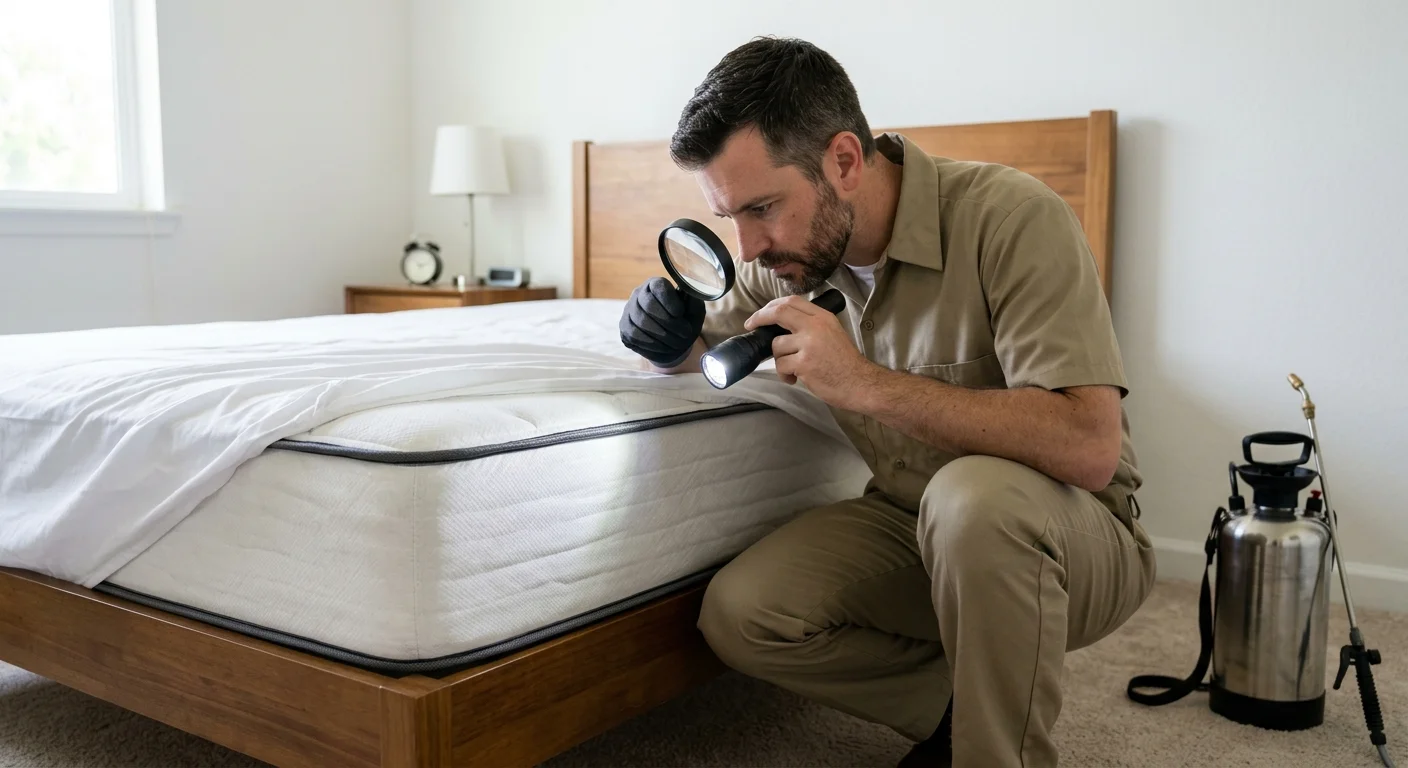
A visual inspection searches for evidence that’s present during the visit. The inspector examines likely hiding areas under good lighting. They may use magnification to study suspected insects, eggs, cast skins, or dark spotting. Finding an actual specimen usually provides more useful evidence than a photo of a skin reaction.
Monitoring has a different purpose. It watches for activity that isn’t visible during one visit. The company may recommend monitors near sleeping or resting areas. Those devices can help capture possible evidence and show where activity occurs. Monitoring can be useful when signs are limited, rooms aren’t occupied every night, or the first inspection is inconclusive.
Monitoring isn’t treatment. It’s also not a substitute for examining the room. A useful bed bug inspection checklist should record:
- Which rooms and furniture were examined
- What physical evidence was found
- Where each item was found
- Whether the evidence could be identified
- Which areas couldn’t be accessed
- Whether more monitoring or inspection is recommended
Skin marks can help establish a timeline, but they don’t identify the responsible pest. The pest report should address pest evidence, not diagnose a medical condition. Photos of marks can still help document when and where the concern began. Medical symptoms belong with a qualified healthcare professional.
Ask the inspector to describe the result precisely. “No evidence observed” isn’t the same as a guarantee that no pest exists. “Inconclusive” also shouldn’t be presented as a confirmed infestation. Those distinctions matter before furniture is discarded or treatment is authorized.
Where a licensed pro looks beyond the mattress
The mattress is one inspection point, not the entire inspection. A pro usually starts near places where people sleep or rest. The search then follows possible evidence into nearby cracks, furniture, and room edges.
A room-level inspection may include:
- Mattress seams, tufts, labels, and folds
- The underside and edges of the box spring
- Bed frame joints, slats, and hardware
- Both sides of the headboard
- Nightstands, dressers, and nearby shelves
- Baseboards and accessible wall gaps
- Upholstered chairs, sofas, and recliners
- Luggage stands, stored bags, and nearby closets
- Curtains and wall decorations close to sleeping areas
The scope can expand when someone regularly sleeps on a sofa or recliner. Guest rooms also matter when they’ve been occupied recently. If possible evidence appears away from the bed, the inspector may examine the route between those locations.
San Diego properties require room-by-room thinking. The inspection map may look different in a City Heights apartment, a Mission Beach rental, or an East County house. Shared walls, detached rooms, furnished rentals, and adjoining units can affect which spaces the company asks to access. The address alone doesn’t define the inspection. Sleeping patterns and physical evidence do.
Identification matters before treatment is chosen. Our guide to what bed bugs look like can help you organize photos, but a photo doesn’t replace an onsite finding. If the specimen came from a room with bat activity nearby, mention that history. Our comparison of bat bugs and bed bugs in San Diego explains why the company should confirm the pest instead of relying on a quick glance.
Ask what wasn’t inspected. A report should note blocked walls, crowded storage, inaccessible furniture, or rooms that weren’t available. That missing information can change the next step.
What information to share before the inspection
Good bed bugs inspection work starts with a clear timeline. Tell the company when the concern began and where people slept before signs appeared. Include bedrooms, guest rooms, sofas, and recliners. If the property is a rental or shared building, explain which units or common areas may be relevant.
Prepare a short record before the appointment:
- Dates and rooms connected to each suspected sign
- Clear photos with an object for scale
- Locations where suspected insects or spotting appeared
- Recent overnight guests or travel
- Used furniture, luggage, or belongings brought inside
- Rooms where people sleep only occasionally
- Products or home remedies already used
- Furniture moved, removed, or placed in storage
- Any prior inspection report for the same concern
Don’t rearrange the room just to make the evidence look clearer. Ask the inspecting company what access it needs. Moving furniture or belongings between rooms can also change the inspection map. If you already captured a suspected insect, tell the company how it’s contained and ask whether the inspector wants to examine it.
Renters should document communications with the property manager in writing. California’s bed bug law requires a landlord to notify tenants in inspected units, in writing, within two business days after receiving the pest control operator’s findings. Our San Diego bed bug renters guide explains that process and other state protections in more detail.
Before the visit, ask who will inspect and what the written result includes. Confirm whether adjoining rooms or units may need access. In a South Bay apartment or central San Diego multi-unit building, that question can prevent an incomplete room list. Property managers should also identify vacant units, furnished common spaces, and any access limits before the inspector arrives.
Keep the facts separate from guesses. “I found this beside the sofa on Tuesday” is useful. “The whole building is infested” isn’t supported without an inspection.
How findings guide the next treatment decision
Inspection findings define the problem the company is being asked to solve. A report may confirm bed bugs, identify another pest, find possible evidence that needs monitoring, or record no observable evidence. Each result supports a different conversation. Treatment shouldn’t be chosen from skin marks alone.
Ask for a written summary that covers:
- The pest identified, if identification was possible
- The evidence supporting that identification
- Rooms and furniture where evidence appeared
- Inspected areas with no observed evidence
- Spaces that weren’t accessible
- Recommended treatment scope
- Preparation instructions
- Proposed monitoring or follow-up
- Product and safety information for any pesticide proposed
The pattern of findings matters. Evidence limited to one sleeping area may produce a different plan than findings in several rooms. An apartment inspection may also raise questions about adjoining units. A detached house may require checking separate sleeping spaces or furnished guest areas. The inspecting company should explain how the evidence supports its recommendation.
This is also the time to compare treatment choices. Ask what each option addresses, what preparation it requires, and how the company will evaluate the result. Our bed bug treatment service page explains how we connect San Diego County customers with licensed local companies. The matched company inspects first and quotes in writing before any treatment begins.
California’s Structural Pest Control Board says licensed Field Representatives may identify infestations and make inspections for registered companies. You can check a company or individual license through the SPCB before approving work. Pest Pros San Diego is a referral service and doesn’t hold an SPCB license or perform inspections.
If a pesticide is proposed, ask the company for its written product and preparation instructions. The EPA pesticide safety resource can help you prepare questions about children, pets, storage, and treated areas. Follow the inspecting company’s written directions for the specific plan.
Finally, review the agreement for exclusions, follow-up terms, and any re-treatment language. Those terms belong to the company doing the work. They aren’t promises made by Pest Pros San Diego.
Frequently asked questions
What does a professional bed bug inspection cover?
The mattress seams, box spring, and bed frame joints first, then headboards, nightstands, upholstered furniture seams, baseboards, and behind picture frames. UC IPM’s list of common hiding places sits within about six feet of where people sleep or rest. The inspector is looking for live insects, shed skins, eggs, and dark fecal spotting, since an infestation is confirmed only by detecting the pests themselves or their signs.
How do I prepare for the inspection?
Strip the bed but don’t wash the bedding yet, because the evidence on it is useful. Leave furniture in place, don’t spray anything beforehand, and don’t move belongings between rooms, since ease of movement of infested items is one of the reasons bed bugs spread.
Can I get an inspection before committing to treatment?
Yes, and it’s the right sequence. The inspection establishes how far the population has spread, which is what the treatment scope and the price are built from. Booking treatment first means paying against an assumption.
What questions should I ask the inspecting company?
Ask which rooms or units they inspected and why, whether they found live insects or only evidence, what treatment method they recommend and why, how many visits it involves, and what the written product and preparation instructions are. Ask for the findings in writing.
When to call us
Call when you need possible bed bug evidence identified before choosing treatment. We connect homeowners, renters, property managers, and businesses across San Diego County with appropriately credentialed companies. Call us at (858) 400-6561 and we’ll match you with a licensed local pro.