
A reddish wasp under a San Diego eave can raise an immediate identification problem. The phrase “red paper wasp” sounds precise, but color alone doesn’t confirm what you’re seeing.
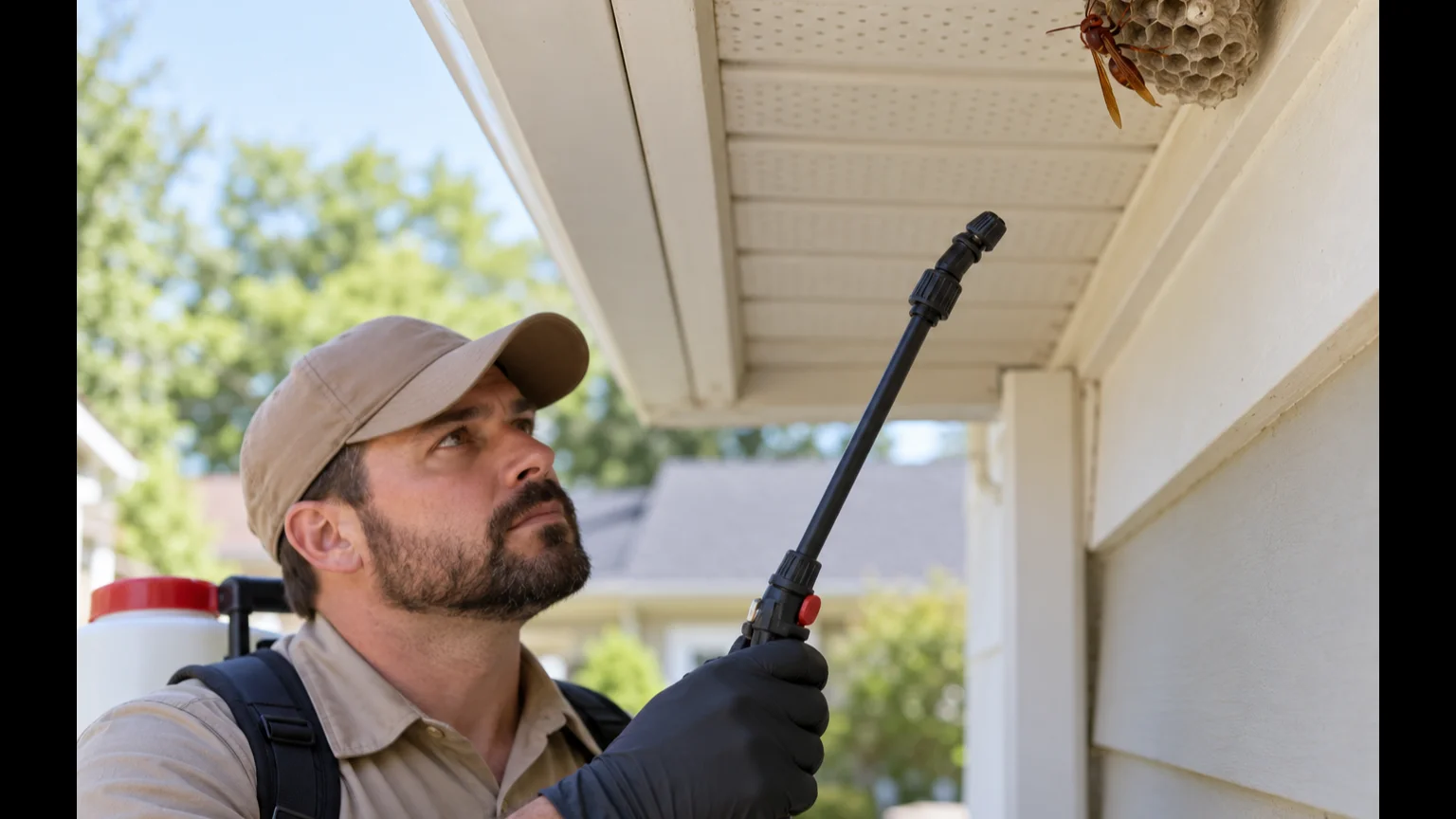
How to document a red paper wasp
Start by recording what you can see from your current position. There isn’t an approved distance rule that fits every property or nest location.
Take photos from an existing doorway, window, walkway, or other normal viewing point. A camera’s zoom can capture details without changing your position. Get one image of the whole setting and another of the insect, if possible.
Record the location in plain terms. Note whether the activity is under an eave, beside a fence, inside an open shed, or near another structure. Add the San Diego community and the date. A record from Chula Vista should remain labeled Chula Vista, rather than simply “Southern California.”
A short video can show movement around the suspected nest. It may also reveal whether several insects use the same location. Don’t interpret that behavior as proof of a species. Save the original file so an identifier can enlarge it without losing detail.
The approved claims ledger doesn’t provide a collection method or handling procedure for this species phrase.
Your notes should separate observations from conclusions. Write “reddish abdomen beside exposed cells,” not “confirmed red paper wasp.” That distinction gives a licensed company or entomology authority cleaner evidence to review.
Which markings and nest shapes support identification
Red wasp identification works best when the photo shows several visible features. Color is only one item. Record where the red appears, including the head, middle body, abdomen, legs, or antennae. Note any black, brown, orange, or yellow areas without assigning a species.
Try to capture the insect from the side and above. Useful images may show the body outline, wings, antennae, legs, and the connection between body sections. Don’t rely on a stock photo match. Lighting, shadows, motion blur, and camera processing can shift reddish-brown tones.
The nest also provides evidence. Photograph its overall shape and attachment point. Record whether you can see exposed cells, an outer covering, a narrow entrance, or a mud-like surface.
These observations can help distinguish broad nest types, but this page can’t confirm a species from them. The approved claims ledger contains no verified red paper wasp identification key. It also doesn’t establish that one reddish species is the expected paper wasp around San Diego homes.
Our paper wasp and yellow jacket comparison can help you organize visible differences. Treat that comparison as a starting point, not a final identification.
The same caution applies to bees. A reddish color, flight pattern, or single photo doesn’t establish whether an insect is a wasp or bee. If that distinction affects a removal decision, ask a qualified local identifier or licensed pest company to review the evidence.
Whether local occurrence can be confirmed
We couldn’t confirm that the common name “red paper wasp” identifies a documented San Diego County species from the approved claims ledger. That means this article doesn’t assign the name to a particular scientific species or claim that one occurs locally.
Search results often connect common names with insects from other states or countries. Those pages don’t establish a San Diego record. A photo caption, product page, or image library isn’t a local distribution record either.
Location matters. Keep the exact community with your observation, whether it’s Oceanside, City Heights, National City, El Cajon, or San Ysidro. Also record the setting and date. Those details help an expert evaluate the record without assuming that every county observation represents the same insect.
For broader California pest information, consult the UC Statewide Integrated Pest Management Program. Check whether its current material includes the insect, a scientific name, and a California distribution statement. If it doesn’t, don’t fill the gap with a name from an unrelated region.
You can also ask a California university entomology program or local natural history collection whether it reviews public observations. Confirm its current submission process before sending files. Provide the original images, location, date, and visible nest features.
“What are red wasps called?” doesn’t have one reliable answer without identification evidence. The common phrase may describe appearance rather than taxonomy. Claims about nest building, social behavior, or whether wasps mourn also can’t establish the species. Those questions need current, species-specific authority material.
When a licensed company should inspect the nest
A licensed company should inspect when the nest’s position makes ordinary access difficult or when identification will affect the service plan. Examples include activity beside an entrance, play area, occupied balcony, walkway, or building opening.
Inspection also makes sense when photos can’t show the nest structure. Activity may disappear behind trim, roofing, a wall opening, or another concealed area. The company you’re matched with can assess the site and explain its findings before proposing work.
General pest work falls under California Structural Pest Control Board Branch 2. You can use the SPCB license search to check a company or individual. Cancelled licenses and registrations don’t appear in the public search, according to the approved claims ledger.
Before authorizing work, ask the company to identify what it can support from the inspection. Its written proposal should describe the location, planned service, and any limitations. Pest Pros San Diego doesn’t perform inspections, apply pesticides, remove nests, or set prices.
If removal is recommended, review our guide to wasp nest removal in San Diego. You can also read when to call a wasp exterminator before comparing companies. For direct help, our wasp and bee removal referral service connects you with licensed, insured local pest pros.
No verified San Diego price for this specific work appears in the approved claims ledger. Nest location, access, and the company’s findings may affect its quote. The matched company should inspect first and quote in writing before any treatment begins.
When to call us
Call when a suspected nest is near routine activity, hidden in a structure, or unclear from your photos. Pest Pros San Diego will connect you with a licensed, insured local company that can inspect the site and discuss its written proposal. Call us at (858) 400-6561 and we’ll match you with a licensed local pro.