
Searching for “mouse control near me” from a San Diego condo requires more than a unit-only quote. Ask what the company will inspect, which shared areas need access, and how those limits will appear in writing. Compare companies only after each one defines the same scope.
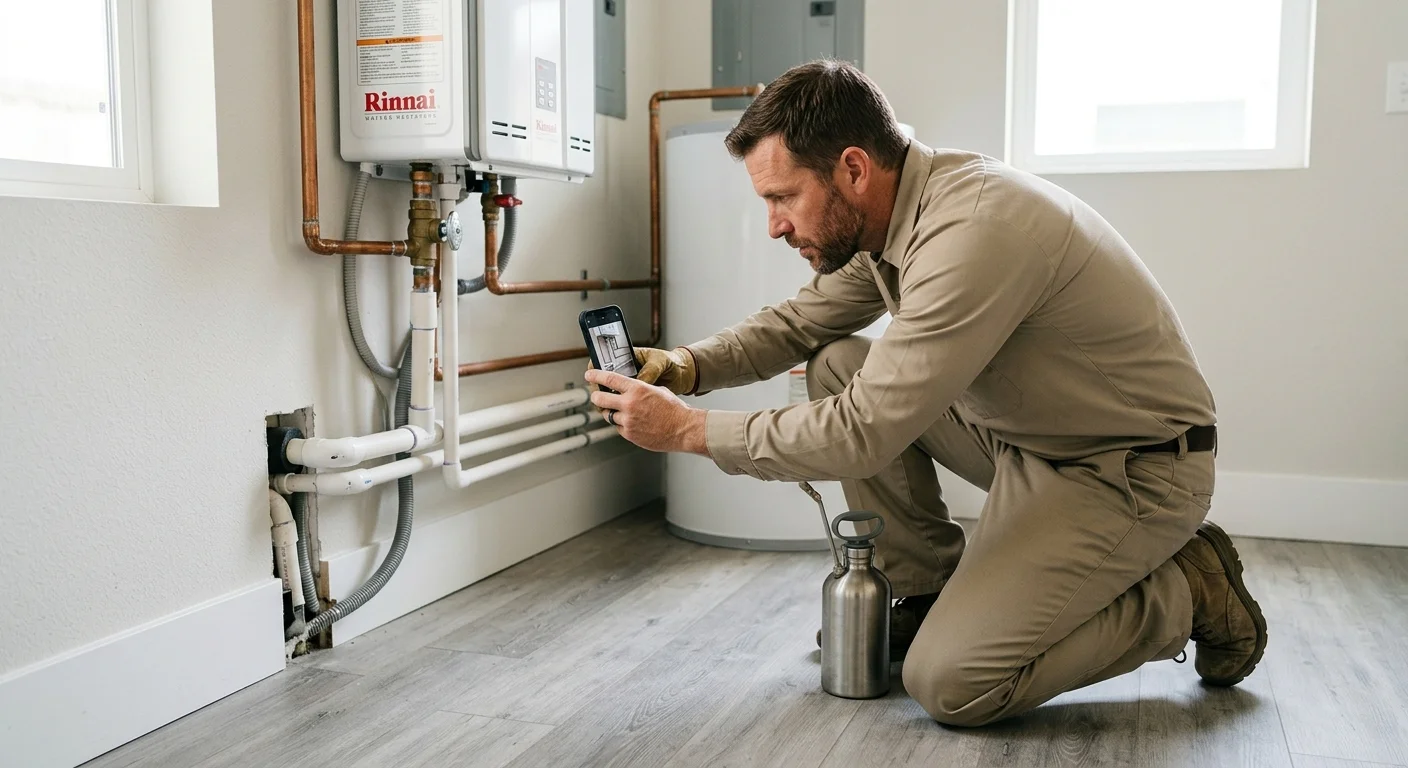
Why a condo changes the inspection scope
A condo gives an inspector access to one unit, not automatically to the entire building. That distinction shapes what a company can examine, document, and include in its proposal.
Start by describing the property before scheduling an inspection. Tell the company whether your unit shares walls, floors, ceilings, utility spaces, or a garage boundary. Mention any area that requires a manager, association representative, landlord, owner, or neighbor to provide access.
Whether you’re calling from Downtown, Mission Valley, Chula Vista, or coastal North County, provide the actual layout. A neighborhood name alone doesn’t define the building.
Ask these questions before the visit:
- Does the inspection cover only my unit?
- Can the inspector examine the garage or utility areas?
- Which spaces require separate authorization?
- What happens if an important area remains inaccessible?
- Will excluded areas appear in the written findings?
- Does the proposal separate unit work from shared-area work?
Those answers make different proposals easier to compare. A narrow inspection may still be useful, but its limits should be plain. You shouldn’t receive a building-wide recommendation based only on a partial view without that limitation being identified.
This guide can’t assign access or payment duties to an owner, tenant, landlord, or association. Check your lease and governing documents, then ask the responsible party for a written answer.
Our rodent control referral service connects San Diego County customers with licensed local companies. The company you’re matched with determines its inspection scope after learning how the property is arranged.
Which sounds, droppings, and gaps to document
Useful documentation tells the inspector where to start. It doesn’t need to identify the species or prove how an animal entered.
Record sounds by location
Write down where you heard activity and when it happened. Note whether the sound came from a wall, ceiling, cabinet area, utility enclosure, or floor boundary. Include the room and the nearest fixed feature.
Avoid writing only “scratching in the bedroom.” A note such as “sound beside the plumbing wall behind the bathroom vanity” gives the company a clearer location to discuss. If the sound crosses a ceiling or shared wall, record both sides you can access.
Our guide to scratching sounds from rats or mice explains why a sound alone shouldn’t decide the species.
Photograph possible evidence
Photograph suspected droppings where you found them. Include the surrounding area so the inspector can understand the location. Take a closer image without moving the material solely for the photograph.
Record the date and room. If similar material appears elsewhere, document each location separately. Don’t combine every observation into one broad statement such as “mice are everywhere.” The written record should distinguish what you saw from what you suspect.
The broader San Diego mouse removal guide covers the next questions to ask after evidence has been identified.
Map visible openings
Photograph openings you want inspected, without deciding which one caused the problem. Useful locations to record include visible spaces around pipes, cables, doors, cabinets, utility enclosures, and garage-facing boundaries.
Add a short caption to each image. State the room, wall, and nearby fixture. If the opening sits on a shared boundary, say so. The company can then explain whether that area falls inside its proposed scope.
Keep everything in one folder or email thread. A clean evidence record helps each bidder review the same information.
How shared walls affect the written plan
A condo proposal should distinguish accessible areas from places the inspector couldn’t enter. If shared space may affect the work, the written plan should explain the access dependency without assigning responsibility that hasn’t been confirmed.
Ask the company to organize its proposal around four items: findings, limits, proposed work, and follow-up terms.
The findings should identify where evidence was observed. They should also separate direct observations from unconfirmed possibilities. A statement such as “suspected activity beyond the bathroom wall” isn’t the same as an inspected shared utility space.
The limits should name every relevant area that wasn’t inspected. “Common areas excluded” may be too broad for comparison. Ask which garage, ceiling, utility, exterior, or neighboring spaces remain outside the inspected scope.
The proposed work should state what belongs to your unit. Any shared-area recommendation should appear separately. Ask who must authorize access and whether the company needs another visit before it can finalize that part of the proposal.
The agreement should also answer practical questions:
- What evidence supports the recommended work?
- Which openings or areas are included?
- Which repairs, if any, are outside the proposal?
- Who documents work after it’s completed?
- What follow-up is included?
- Who must approve a scope change?
- What warranty or re-treatment terms does the company offer?
Warranty terms belong to the company’s written agreement. Pest Pros San Diego doesn’t set or promise them.
For comparison, review our guide to rat trapping and exclusion questions. Rat and mouse scopes aren’t interchangeable, but the same documentation principle applies. A proposal should tell you what was found, what’s included, and what remains unresolved.
Don’t approve vague building language. Ask the company to name the spaces it means and identify any required access before work begins.
What to compare before choosing a licensed company
Begin with credentials. California divides structural pest control into three branches. Branch 2 covers household pest work other than fumigation. Pest Pros San Diego doesn’t hold a Structural Pest Control Board license or perform treatments. We match customers with licensed local pest control companies.
Verify the business and relevant license status through the California Structural Pest Control Board license search. Search using the business or license information provided by the company. Ask for clarification if the proposal and license details don’t match.
Next, compare the inspection behind each bid. A low total doesn’t explain which areas were examined. Put competing proposals beside the same evidence log and access map.
Check these points line by line:
- The pest or evidence identified
- The rooms and boundaries inspected
- Shared spaces included or excluded
- Unavailable areas that could change the scope
- Proposed work inside your unit
- Separate recommendations for building areas
- Follow-up and documentation terms
- Written warranty or re-treatment language
- The process for approving added work
Ask who will coordinate any shared-area access. A company may need information from the building contact before confirming that portion of the job. Get that dependency written into the proposal.
Pest Pros San Diego has no fee schedule and quotes no prices. Compare written scope, exclusions, follow-up terms, and quoted totals together. The matched company inspects first and quotes in writing before any treatment begins.
San Diego County’s Vector Control Program publishes a separate, free service. It provides educational rodent inspections free to San Diego County residents, performed on the outside of the buildings, and the inspection includes a free Rat Control Starter Kit. The county states plainly that the program is not a pest control company and does not trap, bait, or remove rodents as part of that inspection, and does not provide poison bait. Its published request is for a rat inspection, so confirm directly whether your concern fits, and don’t treat it as a replacement for the private mouse control proposal you’re comparing.
Our overview of pest control in San Diego provides more context for comparing local service categories. For a condo, the strongest proposal is the one that clearly defines evidence, boundaries, access, and unresolved areas.
When to call us
Call when mouse evidence may cross a shared boundary or competing proposals cover different spaces. Call us at (858) 400-6561 and we’ll match you with a licensed local pro.